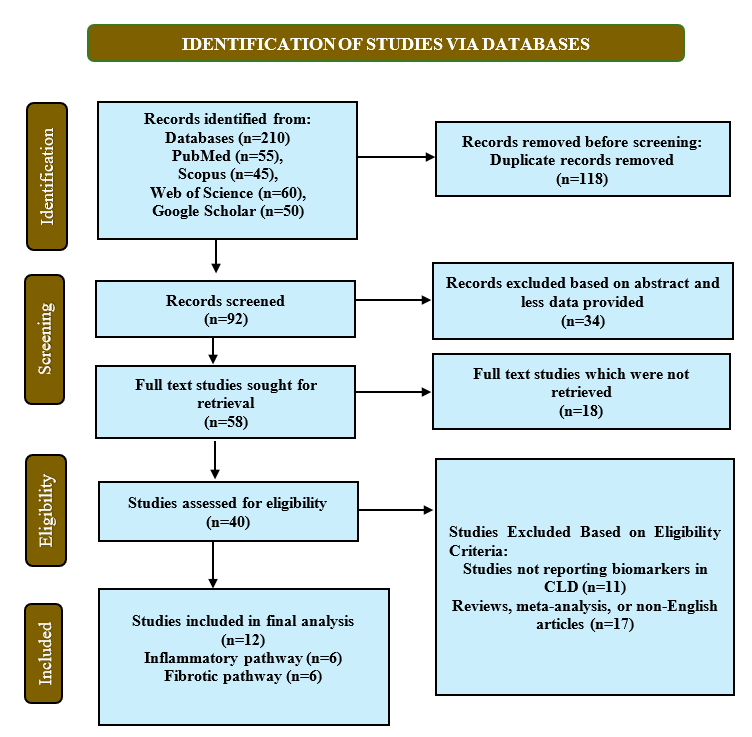
Figure 1: PRISMA Flow Diagram for Study Selection. The flowchart was designed according to the PRISMA guidelines 2020, showing study identification, screening, assessment eligibility, and final selection in the systematic review.
Naveera Mazhar1 | Maha Aslam Khan2 | Arsalan Majeed1 | M Akram3*
1School of Biochemistry and Biotechnology, University of the Punjab, Lahore, Pakistan | 2School of Biochemistry, Minhaj University, Lahore, Pakistan
3Department of Pathology, University of Health Sciences, Lahore, Pakistan
*Correspondence: M Akram (aakramszmdcc@gmail.com)
Received: 05 May, 2026; Revised (1st): 04 June, 2026; Revised (2nd): 06 September, 2026; Accepted: 12 September, 2026; Published: 20 September, 2026
Objective: Chronic liver disease (CLD) is driven by chronic inflammation and progressive fibrosis, resulting in cirrhosis and hepatocellular carcinoma. Molecular biomarkers may enable non-invasive diagnosis, prognostication, and therapeutic targeting, but comprehensive synthesis remains limited. This systematic review aimed to evaluate the biomarkers involved in the inflammatory and fibrotic pathways in the etiology of CLD. Data Sources: Studies reporting molecular biomarkers in CLD inflammatory or fibrotic pathways were searched from January 2016 to December 2025 using PubMed, Scopus, Web of Science, and Google Scholar in accordance with PRISMA 2020 guidelines. Study Selection: Observational, cross-sectional, and preclinical experimental studies that provided therapeutic insights on inflammatory and fibrotic pathways were included, whereas reviews, editorials, and non-English articles were excluded. Data Extraction: Two reviewers extracted data independently. The Newcastle-Ottawa Scale, JBI Checklist, and SYRCLE tool were used to measure the risk of bias, and the GRADE approach was used to evaluate the quality of evidence. Data Synthesis: Twelve studies were included. The most important inflammatory biomarkers identified in CLD were IL-17F (ACLF progression), IL-6/CRP (decompensated ACLD), NLRP3/CASP1 (HCV), CASP-11/4 (AH), and CK18 (NAFLD). Fibrotic markers included Sirt6 (TGF-β/Smad2 inhibition), TIMP-1, CHI3L1, CXCL6, platelet GPIbα, and GGT, indicating the severity of the disease and their diagnostic or therapeutic potential. Overall, the risk of bias was low to moderate, and GRADE rated certainty of evidence was moderate. Conclusions: Emerging molecular biomarkers offered non-invasive diagnostic, prognostic, and therapeutic potential by reflecting important inflammatory and fibrotic pathways in CLD.
Keywords: Biomarkers; Cytokines; Fibrosis; Inflammation; Liver Cirrhosis; Liver Diseases; Signal Transduction
Chronic liver disease (CLD) is a major health concern in the world, and is progressive in nature due to hepatic inflammation and fibrosis, which may ultimately lead to cirrhosis, liver failure, and hepatocellular carcinoma 1,2. Chronic liver damage brought on by metabolic disorders, alcohol, non-alcoholic fatty liver disease (NAFLD), and viral hepatitis can activate immune and inflammatory responses and promote extracellular matrix (ECM) deposition, which contributes to disease progression 3. The molecular biomarkers of these inflammatory and fibrotic cascades had proven to be significant indicators of the severity of the disease in addition to possible treatment goals 4.
Chronic hepatolithic damage triggered inflammatory cascades with recruitment of immune cells, cytokines, and pro-inflammatory signaling (e.g., NF-κB, inflammasomes), which promoted hepatocyte damage and initiated fibrogenesis. Hepatic stellate cells (HSCs) undergo trans differentiation into myofibroblasts, promoting excessive ECM deposition via pathways like TGF-β signaling 3,4. A vicious cycle was formed by Inflammation and fibrosis, unresolved inflammation accelerated fibrotic remodeling, while ECM accumulation perpetuated inflammatory signals, resulting in irreversible architectural distortion and liver dysfunction 5.
Inflammatory biomarkers involved in CLD were key cytokines (e.g., TNF-α, IL-6) and mediators that amplify immune responses and hepatocyte injury 6. Fibrotic biomarkers were involved in ECM turnover indicators, such as procollagen III N-terminal peptide (PIIINP/Pro-C3), hyaluronic acid, TIMP-1, and markers of HSC activation/matrix remodeling 7,8. Importantly, these biomarkers are measurable indicators of underlying biological processes and should not be considered synonymous with pathogenic mediators or signaling molecules. Although some molecules may have both biomarker and mechanistic roles, others may primarily provide diagnostic or prognostic information. These parameters had a direct role in pathogenesis in which inflammatory cues caused fibrogenic cascade activation (e.g., TGF- 8), whereas fibrotic biomarkers responded to disease progression and may be used as a potential biomarker of therapeutic effect 9.
Despite advancements and progress in non-invasive diagnostics (e.g., ELF score, FIB-4) and general pathogenesis reviews, significant gaps remained. Few studies had given systematic and balanced consideration of pathways-specific molecular biomarkers with subsequent correlation with specific therapies 10. The existence of much literature between inflammation and fibrosis or composite scores at the expense of mechanistic molecular targets impeded translation to precision interventions which can reverse advanced fibrosis 11.
Therefore, the objective of this systematic review was to evaluate the molecular biomarkers driving inflammatory and fibrotic pathways in chronic liver disease, and to discuss their potential as therapeutic targets, providing a comprehensive understanding of their roles in disease pathogenesis. Where supported by the available evidence, their potential implications for therapeutic research were also considered.
This systematic review was conducted in accordance with the PRISMA 2020 guidelines 12. A detailed systematic review protocol was developed, finalized, and verified internally prior to the commencement of data extraction to ensure research transparency and prevent reporting bias. A formal prospective registration code via external repositories was not sought for this specific cycle due to the rapid operational timeline.
Database search: Four databases including PubMed, Scopus, Web of Science, and Google Scholar, were systematically searched from January 2016 to December 2025 to identify relevant studies.
Search String Used: The search terms included both MeSH terms and free-text keywords associated with “Chronic liver disease”, “liver fibrosis”, “Inflammatory biomarkers”, “Fibrotic biomarkers”, and “molecular signaling pathways”. Search terms were combined with the Boolean operators AND and OR and reference lists of included studies were checked manually to identify other relevant articles.
A representative search string was: (("chronic liver disease" OR "CLD" OR "liver fibrosis" OR "cirrhosis" OR "NAFLD" OR "NASH" OR "hepatitis") AND ("biomarker" OR "molecular biomarker" OR "inflammatory marker" OR "fibrotic marker") AND ("inflammatory pathway" OR "fibrotic pathway" OR "TGF-beta" OR "cytokines" OR "inflammasome" OR "hepatic stellate cells") AND ("diagnosis" OR "prognosis" OR "therapeutic target")).
Inclusion and Exclusion Criteria: Original research articles (prospective or retrospective cohort, case-control, cross-sectional observational, or preclinical experimental studies) reporting molecular biomarkers driving inflammatory or fibrotic pathways in chronic liver disease, with key findings on pathogenesis, diagnostic/prognostic value, or therapeutic implications were included in this study. Excluded articles included case reviews, meta-analyses, editorials, non-English articles, or studies that did not report relevant biomarkers in the context of CLD. Studies that had been published in English were considered only.
Study Selection: Two researchers (MA, AM) independently reviewed each study's title and abstract according to the inclusion requirements. Disagreements were resolved by consensus with a third reviewer (MAK).
Data Extraction: Two reviewers (MA, AM) extracted data independently using a standardized form comprising the following variables: first author, publication year, country, study design, chronic liver disease etiology, study model, sample size, biomarkers investigated, targeted molecular pathways, detection methods, key findings, and therapeutic implications, and got same results. In case of any disagreements, the third reviewer (MAK) was consulted.
Primary Outcome: The primary outcome of this review was to assess molecular biomarkers involved in inflammatory and fibrotic signaling pathways in chronic liver disease and their potential roles in disease pathogenesis, diagnosis, and targeted therapy. The studies were divided into those that explored inflammatory pathways and those that explored fibrotic pathways. For this systematic review, a molecular biomarker was defined as a measurable molecule or molecular product whose level or expression was associated with the presence, severity, prognosis, or inflammatory/fibrotic activity of chronic liver disease. Biomarkers included proteins, cytokines, enzymes, receptors, and other measurable molecular entities. A biomarker was not considered synonymous with a pathogenic mediator, signaling molecule, or therapeutic target.
Quality Assessment: Risk of bias (ROB) among the included studies was assessed through the Newcastle-Ottawa Scale (NOS) for observational studies 13. The cross-sectional study was assessed using the JBI Critical Appraisal Checklist, and ROB for experimental studies was assessed using the SYRCLE Risk of Bias Tool 14, 15. The certainty of evidence was determined based on the GRADE approach.
Figure 1: PRISMA Flow Diagram for Study Selection. The flowchart was designed according to the PRISMA guidelines 2020, showing study identification, screening, assessment eligibility, and final selection in the systematic review.
Among the four searched electronic databases, a total of 210 research articles were initially identified. 92 studies remained after removal of duplicates. Of these, 34 studies were excluded due to insufficient data or lack of relevance. From remaining 58 studies, 18 were removed due to unavailability of full texts. The remaining 40 articles were assessed for eligibility, and studies were further excluded for not reporting molecular biomarkers in chronic liver disease (n = 11) and reviews, meta-analyses, or non-English publications (n = 17). Ultimately, 12 studies met the inclusion criteria and were included in the final systematic review. The PRISMA 2020 flow diagram presented in Figure 1 illustrates the study selection process.
Table I provides an overview of the chosen CLD studies for systematic review. The table presents important study details, including first author, country, study design, chronic liver disease etiology, study model, sample size, biomarkers investigated, targeted molecular pathways, detection methods, key findings, and therapeutic implications of each study.
| First Author & Country | Study Design | CLD Etiology | Study Model | Sample Size | Biomarker Investigated & Pathway targeted | Detection Method | Key Findings | Therapeutic Implications |
|---|---|---|---|---|---|---|---|---|
| Konstantis et al., 2025 16 Germany | Prospective cohort | ACLF | Humans | n=127 (n=80 compensated cirrhosis, n=29 acute decompensation, n=18 ACLF) | IL-17F (Inflammatory) | ELISA | IL-17F expression declines progressively with increasing severity of liver disease | IL-17F act as prognostic indicator in advanced liver disease |
| Costa et al., 2021 17 Vienna | Retrospective, observational, single-centre cohort | ACLD | Humans | n=168 (ACLD patients), n=78 (cACLD, n= 90 (dACLD) | CRP, IL-6 (systemic inflammation pathway) | ELISA | Significant increases in CRP and IL-6 levels were noted across dACLD substages. | IL-6 specifically indicate risk of disease progression in patients with ACLD |
| Zhang et al., 2021 18 China | Preclinical experimental study | Liver fibrosis | Floxed Sirt6f/f and mT/mG mice cell lines, human HSC line LX‐2 | n = 11 (control mice), n=11 (fibrotic mice), n=6 (Sirt6 knockout fibrotic mice), n = 3 (hepatic stellate cells independent each in triplicate) | TGF-β and Sirt6 (TGF-β/Smad2 signaling) | Luciferase Assay, Immunofluorescence | Sirt6 Inhibited HSC Activation by Inhibiting TGF‐β Signaling and antagonizing Smad2 activity. | Sirt6 may be a potential therapeutic target for liver fibrosis |
| Aggan et al., 2022 19 Egypt | Case-control study | cHCV | Humans | n=49 (HCV), n=18 (control) | NLRP3 (CASP1 pathway) | ELISA | NLRP3 levels were significantly higher in HCV-infected patients | NLRP3 plays an important role in liver disease progression during HCV infection via CASP1 activation |
| Khanova et al, 2019 20 US | Experimental study | AH | Mice (C57BL/6 and Caspase-11 knockout mice) and human liver samples | n= 15 (AH liver sample), n=7 (control livers) | CASP-11, CASP-4 (CASP11/4-GSDMD pathway) | Immunostaining, ELISA | CASP11/4 is upregulated in AH livers | CASP11/4 may serve as novel therapeutic targets for AH |
| Altaf et al., 2020 21 Pakistan | Cross-sectional study | NAFLD | Humans | n=148 (NAFLD patients) | CK18 (Caspase-mediated hepatocyte apoptosis pathway) | ELISA | In patients with NAFLD, CK18 is positively correlated with ALT. | In NAFLD, CK18 can be used to track the disease's progression and assessing treatment response. |
| Malehmir et al., 2019 22 Germany | Prospective clinical trial | NASH | P -selectin knockout mice (Selp−/−), MAC-1 knockout mice, NASH-diagnosed human liver tissue | n=32 (control mice), n=29 (NASH mice), n= 21 (human liver samples), n=4 (control liver) | Platelet GPIbα (vWF–GPIbα pathway) (Fibrotic pathway) | PLT GPIbα | PLT GPIbα is significantly increased in NASH patients. | GPIbα derived from platelets was essential for the development of NASH and later HCC. |
| Huang et al., 2024 23 China | Experimental study | Liver Fibrosis | Male C57BL/6 mice and Wistar rats | n=24 | TIMP-1 (Fibrotic pathway) | Immunofluorescence, qRT-PCR | TIMP-1 expression increased during liver fibrosis | By encouraging macrophage recruitment, TIMP-1 expression in HSCs accelerates the development of hepatic fibrosis. |
| Li et al., 2016 24 China | Experimental study | CHB | CHB patients, L02 human hepatocyte and LX-2 human hepatic stellate cell line | n=50 (CHB patients) | CXCL6 (CXCR1-NFκB pathway) (Fibrotic pathway) | ELISA and Western blot | CXCL6 level is high in the serum of CHB patients | CXCL6 may be a potential diagnostic marker for CHB |
| Zeng et al., 2024 25 China | Retrospective cohort | CHB | Humans | n=433 (chronic HBV patients) | LT, GGT, ALP, TB, FIB4, GPR (Fibrotic pathway) | ELISA | LT, GGT, ALP, TB, FIB4 and GPR were significantly associated with liver fibrosis | GGT was a better biomarker to distinguish cirrhosis (F4) from non-cirrhotic stages |
| Yilmaz et al., 2019 26 Turkey | Case-control Observational study | NAFLD | Humans | n=80 (biopsy-proven NAFLD patients) | TIMP-1, and TIMP-2 (Fibrotic pathway) | Luminex MagPix technology | Patients with severe fibrosis had considerably higher TIMP-1 levels. | TIMP-1 was found to be the only independent predictor of histological fibrosis and a clinically relevant measure for differentiating NAFLD patients. |
| Zhang et al., 2023 27 China | Cross-sectional Observational study | NAFLD | Humans | n= 71 (NAFLD patients) | CHI3L1 (Fibrotic pathway) | IFCC | NAFLD patients with substantial fibrosis have greater CHI3LI levels than those without NAFLD. | In NAFLD patients, serum CHI3L1 shows a possible correlation with severe liver fibrosis. |
| ACLF, acute-on-chronic liver failure; ACLD, advanced chronic liver disease; cACLD, compensated advanced chronic liver disease; dACLD, decompensated advanced chronic liver disease; AH, alcoholic hepatitis; NAFLD, nonalcoholic fatty liver disease; NASH, nonalcoholic steatohepatitis; cHCV, chronic hepatitis C virus; HBV, hepatitis B virus; CHB, chronic hepatitis B; HCC, hepatocellular carcinoma; HSC, hepatic stellate cell; LX-2, human hepatic stellate cell line; IL-6, interleukin-6; IL-17F, interleukin-17F; CRP, C-reactive protein; CK-18, cytokeratin-18; CHI3L1, chitinase-3-like protein 1; CXCL6, C-X-C motif chemokine ligand 6; TGF-β, transforming growth factor beta; TIMP, tissue inhibitor of metalloproteinase; NLRP3, NOD-like receptor family pyrin domain containing 3; CASP, caspase; GPIbα, glycoprotein Ib alpha; vWF, von Willebrand factor; ALT, alanine aminotransferase; GGT, gamma-glutamyl transferase; ALP, alkaline phosphatase; TB, total bilirubin; FIB-4, fibrosis-4 index; GPR, gamma-glutamyl transferase to platelet ratio; GSDMD, gasdermin-D; ELISA, enzyme-linked immunosorbent assay; qRT-PCR, quantitative reverse transcription polymerase chain reaction; IFCC, International Federation of Clinical Chemistry; ECM, extracellular matrix | ||||||||
The studies collectively highlighted a repertoire of molecular biomarkers which were involved in the inflammatory and fibrotic pathogenesis of chronic liver disease. The most common indicators of inflammatory state (e.g., IL-17F, IL-6, CRP, NLRP3, CASP-11/4, CK18) were mostly associated with the severity of the disease, its prognosis, or hepatocyte injury. Whereas fibrotic signatures (e.g., TGF-2/Sirt6, TIMP-1, CXCL6, CHI3L1, platelet GPIb alpha) were often associated with hepatic stellate cells activation, extracellular matrix re-organization, macrophage influx, and cirrhosis or HCC development. A number of biomarkers were found to have potential in either diagnostic or prognostic use, and the fact that certain molecules (Sirt6, CASP11/4, platelet GPIb alpha, TIMP-1 components of its pathway) could be a possible therapeutic intervention to reduce inflammation-induced fibrosis in CLD.
To assess the ROB, specific tools were used according to study design. The observational studies were measured using the Newcastle–Ottawa Scale, as shown in Table II. Overall, the studies demonstrated low to moderate risk of bias, with the majority of the included studies employing appropriate selection of the patients and validating the biomarker measurement method. Nevertheless, other studies presented moderate risks because of a lack of full adjustment for confounding variables.
| Study | Selection Bias | Comparability Bias | Outcome/Exposure Bias | Overall Risk |
|---|---|---|---|---|
| Konstantis et al., 2025 16 | Low (consecutive patients enrolled) | Moderate (limited confounder adjustment) | Low (validated measurements used) | Low |
| Costa et al., 2021 17 | Low (prospective recruitment clear) | Low (controls matched well) | Low (objective biomarker measurement) | Low |
| Aggan et al., 2022 19 | Moderate (selection criteria unclear) | Moderate (confounders partly adjusted) | Low (standard lab methods used) | Moderate |
| Yilmaz et al., 2019 26 | Low (prospective design appropriate) | Moderate (limited confounder control) | Low (standard diagnostic criteria) | Low–Moderate |
The JBI Critical Appraisal Checklist was used to assess the cross-sectional study and revealed that the study was low to medium-risk, with limited adjustment of confounding factors, as shown in Table III.
| Study | Inclusion Criteria | Exposure Measurement | Confounders | Statistical Analysis | Overall Risk |
|---|---|---|---|---|---|
| Altaf et al., 2020 21 | Low (clear inclusion criteria) | Low (validated ELISA method) | Moderate (confounders not fully adjusted) | Low (appropriate statistical tests) | Low–Moderate |
For experimental studies, the SYRCLE Risk of Bias Tool was used, with the majority showing moderate to high risk because of inadequate reporting of allocation concealment and blinding, although the outcome reporting was generally comprehensive, as shown in Table IV.
| Study | Sequence Generation | Allocation Concealment | Blinding | Incomplete Data | Selective Reporting | Other Bias | Overall Risk |
|---|---|---|---|---|---|---|---|
| Zhang et al., 2021 18 | Moderate (randomization not specified) | High (no concealment described) | High (no blinding mentioned) | Low (complete reporting evident) | Low (all outcomes reported) | Low (standard model used) | Moderate–High |
| Khanova et al., 2019 20 | Moderate (unclear randomization method) | High (no allocation concealment) | High (blinding not described) | Low (complete outcome reporting) | Low (clear reporting) | Low (standard protocols used) | Moderate–High |
| Malehmir et al., 2019 22 | Moderate (randomization unclear) | High (not described) | High (no blinding reported) | Low (complete datasets) | Low (reported clearly) | Low (validated animal model) | Moderate–High |
| Huang et al., 2024 23 | Moderate (unclear randomization process) | High (allocation concealment missing) | High (no blinding described) | Low (complete outcome reporting) | Low (all outcomes presented) | Low (controlled environment used) | Moderate–High |
| Li et al., 2016 24 | Moderate (unclear sequence generation) | High (not reported) | High (no blinding mentioned) | Low (data completeness adequate) | Low (clear reporting structure) | Low (standard model) | Moderate–High |
| Zeng et al., 2024 25 | Moderate (randomization unclear) | High (no concealment described) | High (no assessor blinding) | Low (no missing data reported) | Low (fully reported outcomes) | Low (validated fibrosis model) | Moderate–High |
| Zhang et al., 2023 27 | Moderate (randomization not detailed) | High (no allocation concealment) | High (no blinding described) | Low (complete reporting) | Low (outcomes clearly presented) | Low (standardized procedures) | Moderate–High |
Overall, according to the GRADE approach, certainty of evidence was moderate due to methodological flaws and inconsistent trial designs. Overall, the evidence demonstrated associations between inflammatory and fibrotic biomarkers and different stages of chronic liver disease, although substantial variation was observed in biomarker types, study populations, and assessment methods. The following discussion interprets these findings in relation to disease progression, biomarker utility, and potential therapeutic implications.
CLD represents a significant worldwide health burden because of its diverse etiologies, subtle course, and tendency to progress toward complications such as cirrhosis, decompensation, ACLF, and hepatocellular cancer. In diseases like ACLF, cHCV, NAFLD/NASH, and CHB, biomarkers associated with inflammatory and fibrotic pathways may provide information about immune activation, hepatocyte damage, HSC trans differentiation, extracellular matrix deposition, and overall disease etiology 28,29.
The systematic review identified twelve studies published between 2016 and 2025 that investigated molecular biomarkers associated with inflammatory and fibrotic pathways in various etiologies of CLD. The primary results indicate the association of inflammatory biomarkers including IL-17F, IL-6, CRP, NLRP3, CASP-11/4, CK18, and fibrotic biomarkers such as TGF-b/Sirt6, TIMP-1, CXCL6, platelet GPIb alpha, CHI3L1, with the severity of the disease, immune activation, and hepatocyte injury. In ACLF, IL-17F, being inflammatory biomarker, showed progressive decline with advancing disease severity, positioning it as a prognostic indicator 16, whereas increase in IL-6 and CRP elevations signified risk progression in decompensated ACLD 17. Such findings align with evidence that chronic immune activation is one of the factors contributing to immune paralysis and the adverse outcome in cirrhosis. The significance of pyroptosis-driven inflammation in liver injury is highlighted by elevated NLRP3 in HCV patients 30,31 and upregulated CASP-11/4 in AH 20. In NAFLD patients, CK18, a marker of caspase-mediated hepatocyte death, showed a favorable correlation with ALT, confirming its usefulness in tracking disease activity and response to treatment suggesting potential relevance as a marker of hepatocellular injury and disease activity 21,32. Collectively, these findings indicate that inflammatory indicators across various CLD etiologies reflect both immune dysregulation and hepatocellular injury.
The fibrotic pathway biomarkers were uniformly correlated with the severity of fibrosis and disease progression. Experimental research revealed that Sirt6 is a mechanistically significant antifibrotic target 33,18, suppressing TGF-β/Smad2 signaling and inhibiting HSC activation. In both human and animal models, TIMP-1 expression was consistently associated with the advancement of fibrosis, where it facilitated the formation of extracellular matrix and the recruitment of macrophages 34,35,36. These converging findings suggest that some fibrosis-associated molecules may have both biomarker and mechanistic relevance, although these roles should be distinguished from established therapeutic targets. As previously reported, the predictive value of IL-6 in the development of ACLD is similar to its pivotal position in systemic inflammation, decompensation, ACLF, and death among cohorts of advanced cirrhosis 17. The activation of NLRP3 inflammasomes in cHCV is in correspondence with the presence of IL-1 infrastructure/IL-18-mediated inflammation and fibrosis in viral liver disease 37. The inhibitory effect of Sirt6 in TGF-2/Smad signaling is in line with the preclinical models that Sirt6 deficiency enhances fibrogenesis 38. The upregulation and predictive ability of TIMP-1 in NAFLD/NASH is consistent with systematic analyses of panels, such as ELF, to stage advanced fibrosis 23. Similarly, CHI3L1 increase in proportion to fibrosis progression indicate macrophage-induced fibrogenesis across etiologies 39,40. Overall, the identified biomarkers reinforce core signaling pathways while emphasizing etiology-specific and shared molecular targets.
However, the study exhibited limitations, as majority of the studies were observational or preclinical in their nature with relatively low sample sizes and most often single center design thereby limiting generalizability. The etiologies of chronic liver diseases, study groups, experimental systems, and biomarker identification techniques were heterogeneous, which limited cross-study comparison and made it impossible to conduct a meta-analysis. Some of the studies did not have standardized cut off values, longitudinal follow-ups, or controlling of confounded factors.
Furthermore, review-level constraints; such as English-language publications only, no protocol registration and no automated tools to screen and extract may have brought in potential selection or reporting bias in this review.
Future studies need to focus on building strong predictive algorithms including biomarker profiles along with clinical and genetic parameters, confirmation of standardized methods of conducting biomarker-based therapies, and assessment of multi-modal approaches across diverse CLD etiologies to enhance individualized care and prevent the disease burden.
This review identified several molecular biomarkers associated with inflammatory and fibrotic processes in CLD, with potential diagnostic, prognostic, and mechanistic relevance. However, the study findings were limited by differences in detection techniques, small sample sizes, and heterogeneity in study designs. The available evidence was insufficient to establish the clinical utility of these biomarkers or their effectiveness as therapeutic targets. Combining these biomarkers with clinical scoring systems, imaging, and patient-specific factors may warrant further investigation to determine their added value in disease assessment. Additional large-scale prospective and experimental studies will be necessary for clinical and mechanistic validation and to determine whether selected biomarkers have potential for translation into clinical practice.

AL-NAJAM Journal of Medical and Life Sciences, Al Najam J Med Life Sci 2026:1(3), p93-99 (anjmls.org) © 2026 Authors. This work is published by Multidisciplinary Scholarly Advancement and Research MSAR Institute. The full terms of Journal Publishing policy is available at https://anjmls.com/index.php/anjmls/publishing-license and incorporate the Creative Commons Attribution – Non Commercial (CC BY, NC 4.0) License https://creativecommons.org/licenses/by-nc/4.0/. By accessing the work you hereby accept the Terms. Non-commercial uses of the work are permitted without any further permission, provided the work is properly attributed. Publisher’s Note: MSAR Institute remains neutral with regard to jurisdictional claims in published maps and institutional affiliations, and assumes no liability for the scientific accuracy or clinical efficacy of the content herein, as they rest entirely with the authors.