
Figure 1: (PRISMA flow diagram) summarizes the overall study selection process.
Asmat Ullah Khan1* | Hina Murtaza2 | Raheela Khawar2
1Center of Excellence in Molecular Biology, University of the Punjab, Lahore, Pakistan | 2Department of Allied Health Sciences, University of Lahore, Pakistan
*Correspondence: Asmat Ullah Khan (ahspreparations512@gmail.com)
Received: 20 March, 2026; Revised: 01 June, 2026; Accepted: 04 June, 2026; Published: 10 June, 2026
Background: Cytokine-mediated immune dysregulation is important in the pathogenesis of autoimmune and inflammatory diseases, such as inflammatory bowel disease, celiac disease, and autoimmune hepatitis. This paper set out to undertake a systematic review of cytokine-mediated immune mechanisms, especially IL-17, in these conditions. Methods: PRISMA 2020 was used in this systematic review. Up to March 2026, the electronic databases such as PubMed, Scopus, Web of Science, and Google Scholar were searched. Articles that reported cytokine levels or immune biomarkers in patients with inflammatory bowel disease, celiac disease, or autoimmune hepatitis versus those without any disease or animal studies, reviews, case reports, and studies for which quantitative cytokine levels were not measured were excluded. Certainty of evidence was measured by GRADE. The synthesis of data was done qualitatively and quantitatively, and meta-analysis was done on the synthesized data using a random-effects model to estimate pooled standardized mean differences. Results: 443 articles were found, out of which 15 articles were eligible to be included in the systematic review, and a subset of them was added to the meta-analysis. The combined findings showed very high levels of circulating IL-17 in celiac disease patients in comparison with healthy controls, but no significant differences were found between Crohn's disease patients and autoimmune hepatitis patients. In a number of the observational studies, the risk of bias was moderate and was assessed. The overall level of confidence was rated as low to moderate using the GRADE approach. Conclusions: IL-17–mediated immune dysregulation is significantly elevated in celiac disease but not consistently in Crohn’s disease or autoimmune hepatitis, while IL-23 is significantly increased in autoimmune hepatitis. These findings highlight disease-specific roles of IL-23/Th17-related pathways and the need for larger, standardized studies.
Keywords: Interleukin-17; Hepatitis, Autoimmune; Celiac Disease; Crohn Disease; Cytokines; Th17 Cells
There are immune-mediated gastrointestinal and hepatic diseases, including inflammatory bowel disease (IBD), celiac disease, and autoimmune hepatitis (AIH). These conditions involve chronic inflammation with disregard to cytokine networks 1. These diseases have a common immunopathogenic pathogenesis that includes abnormal T-cell activation, immune tolerance, and sustained synthesis of pro-inflammatory cytokines 2,3. The balance between the effector T helper (Th17) cells and regulatory T (Treg) cells is controlled by cytokines, such as interleukin, tumor necrosis factor-a (TNF-a), and transforming growth factor-b (TGF-β). Alteration of this balance has helped to cause intestinal injury in IBD and celiac disease and hepatocellular inflammation in AIH 4,5.
The current research concentrates on the main biomolecular parameters of immune dysregulation mediated by cytokines such as the presence of circulating and tissue-based levels of Th17-associated cytokines, anti-inflammatory cytokines (IL-10, TGF-β), and proof of Th17/Treg imbalance 6. The biomarkers are compared with the disease activity, severity, and therapeutic response in the three conditions to explain the common and disease-specific mechanisms of inflammation 7. Despite the several studies that have been carried out to evaluate the cytokine pattern in these disorders, the results are inconclusive because of differences in study design, characteristics of patients, laboratory procedures, and measurements of outcomes. The majority of the literature assesses the separate diseases, and thus, restricts comparative knowledge of systemic and intestinal immune dysregulation. There is a need, therefore, to do a quantitative synthesis of the available.
The goal of this systematic review and meta-analysis is to assess the intestinal and systemic immune changes mediated by cytokines in IBD, celiac disease, and AIH, and to see their relation with disease activity, disease severity, and treatment response.
Due to the direct retrospective design of this meta-analysis, which relies entirely on previously published, aggregated public data. This study was not prospectively registered in an international repository. However, to guarantee scientific rigor, the research layout, search strings, and evaluation were mapped internally and strictly followed the structural framework of the PRISMA 2020 statement. 8.
Inclusion and Exclusion Criteria: The studies had to be included when they explored the mechanisms of immune dysregulation induced by cytokines in IBD, celiac disease, or AIH. The designs that were eligible were randomized controlled trials, cohort studies, case-control studies, and cross-sectional studies that reported quantitative biomolecular data. The studies had to give extractable data on Th17/ Treg imbalance, circulating or tissue cytokine levels (e.g., IL-17, IL-6, IL-21, IL-23, IL-10, TGF-β), or the response of immune cells or the response to cytokine therapy. Research had to provide extractable evidence on cytokine or immune pathway (e.g., Th17, Treg, B-cell axis), or targeted therapy response(s). C ases in case reports, narrative reviews, editorials, and conference abstracts without the complete dataset and studies of animals only, lack of quantitative outcome (mean ± SD or effect estimate 29), and non-English articles were excluded.
Data Sources: The search was done in PubMed, Scopus, Web of Science, and Google Scholar. Articles published as early as January 2011 to February 2025 were taken into account.
Search Strategy: The search plan was a combination of MeSH identified headings and free-text search terms concerning immune-mediated gastrointestinal and hepatic diseases. Specific disease names were included in such terms as inflammatory bowel disease, Crohn's disease, ulcerative colitis, celiac disease, and autoimmune hepatitis. Immunologic terminologies were cytokines, IL-17, IL-6, IL-21, IL-23, IL-10, TGF-beta, Th17, and Treg. Sensitivity and specificity were maximized using the AND/OR operators. Additional relevant publications were manually screened from the reference lists of the eligible studies. The representative search string was:
("Inflammatory Bowel Disease" OR IBD OR "Crohn's Disease" OR "Ulcerative Colitis" OR "Celiac Disease" OR "Coeliac Disease" OR "Autoimmune Hepatitis") AND ("Cytokines" OR "IL-17" OR "Interleukin-17" OR "IL-6" OR "Interleukin-6" OR "IL-21" OR "Interleukin-21" OR "IL-23" OR "Interleukin-23" OR "IL-10" OR "Interleukin-10" OR "TGF-beta" OR "Transforming Growth Factor-beta" OR "Th17" OR "T Helper 17 Cells" OR "Treg" OR "Regulatory T Cells")
Study Selection: Selection of the studies was done in multiple steps: It was identified by searching databases, screened by title and abstract, and filtered by full-text. Each stage was done by two independent reviewers. Any conflict of interest was sorted out by discussion and with the help of third reviewer.
Data Extraction: The extraction of the data was based on a standardized form. The variables that were gathered were author, year, country, study design, sample size, disease subtype (IBD, celiac disease, or AIH), cytokines measured, source of the sample (serum, plasma, or tissue), mean ± SD, disease status of activity, therapeutic intervention, and clinical outcomes measured.
Outcome Measures: The major end points were the variations in the Th17-related cytokines (IL-17, IL-6, IL-21, IL-23), anti-inflammatory cytokines (IL-10, TGF-β), and Th17/Treg imbalance markers. The second outcome was the relationship with the disease activity, severity indices, and cytokine-targeted therapy response.
Quality Assessment: Two reviewers carried out risk of bias assessment independently. RCT were appropriated by Cochrane Risk of Bias 2.0 tool and JBI Critical Appraisal of Case-Control Human Observational Studies 9,10. The general confidence of evidence was measured using the GRADE methodology.
Data Synthesis: The meta-analysis was conducted in the form of a random-effects model with inverse-variance weighting because of anticipated clinical and methodological variations. Effect sizes were used in the form of standardized mean differences (SMDs) using a 95% confidence interval. Statistical heterogeneity was assessed using the I² statistic. Subgroup analysis was done in terms of disease type, cytokine profile, and status of disease activity. The sensitivity tests, such as leave-one-out tests, were conducted to understand the strength of results. The synthesis of studies that were not suitable to quantitatively pool was done as a narrative and included in structured summary tables.
Figure 1: (PRISMA flow diagram) summarizes the overall study selection process.
Among the four sources and electronic databases searched, 443 research papers were first identified, with 228 articles in PubMed, 135 in Scopus, 12 in Web of Science, and 68 articles in Google Scholar. Screening of the studies was done after elimination of duplicate records, which left 293 studies. In the screening of the title and abstract, 250 articles were filtered out since they did not meet the objective of the review or had insufficient information on the expression of cytokines, immune pathways, or biomolecular mechanisms involved in inflammatory bowel disease, celiac disease, or autoimmune hepatitis. After that, 43 full-text articles were pursued to be extracted. Of these, 22 articles were not able to be accessed, and 21 full-text papers were eligible to be assessed. Among them, 6 articles were eliminated based on full-text review due to lack of fulfilment of the predefined inclusion criteria, such as articles that were carried out on an animal or in-vitro model, a review article, a case report, studies that failed to provide the results of the relevant cytokine or immunological biomarker, or articles that were not in English. Lastly, 15 articles were used in all the inclusion criteria and thus were incorporated into the systematic review and meta-analysis, as shown in Figure 1. These papers examined how immune dysregulation through cytokine mediation and the underlying biomolecular processes are involved in IBD, celiac disease, and AIH, and how the findings may be used in therapeutic targeting.
The included studies evaluating cytokine-mediated immune dysregulation in inflammatory bowel disease, celiac disease and autoimmune hepatitis are summarized in Table I. The table presents the main study characteristics, cytokine profiles, quantitative findings, key outcomes and therapeutic implications across the selected studies.
| Author & Year Country | (Disease studied) | Study Design | Sample Size / Population characteristics | Key cytokines measured | Quantitative finding Mean± SD (pg/ml) | Key Outcomes | Therapeutic implications |
| Menesy et al., 201411 Egypt | IBD (Crohn's disease) | Observational study | 24 patients with Crohn's disease, and 21 were HC. | IL-17 measured via ELISA | IL 17: Patients: 24.29 ± 11.03 Controls: 27.93 ± 12.07 | Serum IL-17 level was increased significantly in patients of IBD with Crohn's disease versus controls | Elevated serum IL-17 in IBD suggests that targeting IL-17 or the Th17 pathway could be a potential therapeutic strategy to reduce intestinal inflammation, even though it may not directly reflect disease activity. |
| Lucaciu et al., 202112 Romania | IBD (Crohn's disease | Observational study | 16 patients diagnosed with Crohn's disease and 15 HC | Serum IL-17 and IL-23 levels were determined using sandwich ELISA | IL‑17: Patients: 1197.6 ± 1364.9 Controls: 395 ± 312 IL‑23: Patients: 1062.7 ± 521.6 Controls: 371.5 ± 12.8 | Disease severity was associated with increased IL-17 values. IL-23 levels were also significantly higher in IBD with Crohn’s disease patients with intestinal complications | Both IL-17 and IL-23 correlate with IBD severity, and IL-23 might be a promising novel biomarker for severe Crohn's disease. Identifying the dominant IL pathway involved in IBD severity could serve as guidance for clinical decision-making on biologic therapy. |
| Krawiecet al., 202013 Poland | Pediatric IBD(Crohn's disease) | Observational study | 25 patients 20 Healthy controls | Serum interleukin 17A and interleukin 17F was measured via ELISA | IL‑17A Patients: 13.83 ± 15.26 Controls: 6.93 ± 7.33 | No significant differences in IL-17A among patients with active and inactive IBD with Crohn’s disease. | Targeting IL-17A could be limited therapeutic utility in Crohn’s disease. |
| Cho et al., 201814 Korea | Pediatric IBD(Crohn's disease ) | Observational study | 9 children diagnosed with Crohn's disease and 7 healthy controls | IL-17A was measured via multiplex assay | IL-17A Patients: 64.2 ± 17.2 Controls: 28.3 ± 10.0 | Mucosal immunity analysis showed increased FOXP3+ T reg cells in the LP with Crohn’s disease, while Th17 cell polarizing and signature cytokines were decreased in the serum samples of Crohn’s disease... | Modulating the Th17/Treg balance and targeting IL-17A/IL-22–mediated pathways enhancing Treg function may benefit Crohn’s disease. |
| Sahin et al., 202215 Turkey | IBD (Crohn's disease) | Observational study | 50 patients with Crohn ,'s disease and 40 HC | IL17 levels of samples were assayed via ELISA | IL-17: Patients: 23.82 ± 11.12 HC: 27.93 ± 12.07 | The mean serum IL17 level of Crohn's disease patients did not differ from those of healthy controls. | Serum IL17 was not correlated with inflammatory markers (ESR, CRP, white blood count, platelet count, and albumin) and CDAI. Peripheral IL17 measurement is not a useful tool for detecting and monitoring Crohn's disease |
| Madi et al., 202416 Saudi Arabia | CD | Observational study | 23 patients of CD having a gluten-free diet (GFD) and 23 HC | IL-17A level measured via ELISA | IL-17A CD: 2.020±1.887, HC: 2.06±1.56 | No significant differences were found in salivary IL-17A level between celiac disease patients and control subjects. Increased levels of salivary IL-17A, was associated with periodontitis. | In treated Celiac disease, normalized salivary IL-17A suggest limited value of systemic cytokine-targeted therapy, as elevations are primarily linked to local periodontal inflammation rather than ongoing autoimmune activity. |
| Khudair et al., 202517 Iraq | CD | Observational study | 80 CD patients and 48 HC | The levels of IL-17A were measured using a sandwich ELISA | IL‑17A CD: 264.99 ± 169.10 , HC: 227.78 ± 140.73 | IL-17A levels were elevated in patients with CD for >1 year and in those adhering to GFD, indicating that IL-17A may have a role in the inflammatory mechanisms associated with celiac disease, especially in those with prolonged disease duration. | IL-17A may contribute to persistent inflammatory activity and could represent a potential immunomodulatory target requiring further investigation. |
| Goel et al. 201918 Australia and the USA | CD | Interventional Clinical Challenge Study | 25 patients with CD and 25 HC | IL-17A and IL-22 were measured via electrochemiluminescence immunoassay assays | IL-17A : Patients: 2.09±3.07 Controls: 0.025±0.0089 | IL-17A release following gluten challenge in coeliac disease patients significantly increased. | Early elevations of IL‐17A after gluten in patients with coeliac disease implicates rapidly activated T cells as their probable source. Cytokine release after gluten could aid in monitoring experimental treatments and support diagnosis. |
| Nafari et al., 202219 Iran | CD | Observational study | 40 CD patients under GFD and 40 HC | mRNA expression of IL-17A was assessed using quantitative polymerase chain real-time qPCR | IL-17A: Patients: 11.9 ± 9 Controls: 6.79 ± 7 | High IL-17A levels in CD patients despite dieting, which may be related to the protective effect of this cytokine on intestinal tight junctions, | Persistent IL-17A despite GFD suggests: careful consideration of IL-17A-targeted therapy; ; GFD alone may not normalize Th17-related immune activation |
| Ali et al., 201920 Iraq | CD | Observational study | 40 patients with CD and 20 HC | IL-17A was assessed via ELISA | IL-17A: Patients: 88.25±40.72 HC: 37.08±10.55 | The serum level of IL-17A in the patients was higher as compared to control group in the patients comparing with control group. | Persistent Th17/IL-17A activation suggests potential for Th17-targeted therapies; IL-17A could serve as a biomarker for monitoring interventions |
| Gutkowski et al., 201821 Poland | AIH | Observational study | 44 patients with confirmed AIH and 30 HC | Serum IL17, Level was measured by a quantitative sandwich enzyme immunoassay. | IL‑17: Patients: 30.8±18.5 Controls: 16.4±6.7 | Serum IL‑17 levels was higher in treatment-naive AIH patients compared with controls. | Serum IL‑17 could be used as a biomarker to guide monitoring and optimize immunosuppressive therapy in autoimmune hepatitis. |
| Dupont et al., 201622 Mexico | AIH | Observational case control study | 46 patients with AIH and 44 HC | IL-17A, IL-23and TNF-α were assessed via ELISA | IL‑17A: Patients:18±10 Controls:20 ± 12 IL-23: Patients: 30±25 Controls:1 ± 0.5 TNF-α: Patients:150±90 Controls:70 ± 40 | Compared to healthy controls, serum levels of IL-23 and TNF-α, but not IL-17A were significantly increased in AIH patients | Therapies targeting the IL-23/IL-17 axis or TNF-α signaling may help suppress immune-mediated liver inflammation and represent potential immunomodulatory treatment strategies. |
| Xue, et al., 201723 China | AIH | Experimental Study | 30 female Wistar rats HC, AC, CC | ELISA double antibody sand-wich method to measure IL‐17A, cytokine levels. | IL‐17 HC=39.84 ± 21.04 CC=238.11 ± 132.80 | Th17 cell levels were significantly lower, and Treg cell levels were significantly higher in the CC group, compared with those in the AC group. The Th17/Treg ratio was increased in the acute immune liver injury model and decreased in the chronic liver injury model. | Modulating the Th17/Treg balance could be a strategy to prevent acute liver injury and manage disease progression in autoimmune hepatitis. |
| Wang et al., 201524 China | AIH | Experimental preclinical study | Adult male C57/BL6 mice | TGF-β1, IL-10, and IL-17 were assessed via ELISA | IL‑17: M=298.7 ± 79.5 G=154.7 ± 63.0 | Mice with AIH have a Treg/Th17 ratio imbalance. The Bu Xu Hua Yu method was able to restore the cellular balance of Treg/Th17 through the regulation of the expression of ROR𝛾t and Foxp3, and can play an important role in the treatment of AIH | The “Bu Xu Hua Yu” method may treat autoimmune hepatitis by restoring the Treg/Th17 balance, reducing IL-17–mediated inflammation, and enhancing regulatory immune responses. |
| Zhao et al., 201125 China | AIH | Observational case control study | 29 AIH patients, and 28 HC | Serum IL-17A and IL-23 were measured by ELISA | IL-17: Patients:300± 13 Controls:270±5 IL-23 Patients:1050±65 Controls: 900±40 | IL-17 elevated in active AIH. Th17 cells are key effector T cells that regulate the pathogenesis of AIH, via induction of MAPK-dependent hepatic | Targeting the Th17/MAPK signaling pathway could interrupt the positive feedback loop and serve as a potential therapy for autoimmune hepatitis. |
| Healthy controls (HC), celiac disease (CD), inflammatory bowel disease (IBD), and autoimmune hepatitis (AIH) are indicated where applicable. Cytokine levels are reported as mean ± standard deviation in pg/ml unless otherwise specified. IL-17 measurements include IL-17A and IL-17F depending on the study, and IL-23 and TNF-α are reported when assessed. Therapeutic interventions reflect standard clinical management, gluten-free diet, or experimental and preclinical treatments. Immune pathways denote the primary T-helper cell subset or axis involved, such as Th17, Th1, or Treg. Preclinical studies were conducted in animal models to explore mechanistic or therapeutic effects. Quantitative findings are extracted directly from the original studies, noting that differences in assay methods, including ELISA, multiplex, qPCR, and electrochemiluminescence, may contribute to variability. Values for pediatric and adult populations are presented separately when available. | |||||||
Table I shows a summary of the research that was incorporated in the meta-analysis which includes observational human studies, interventional clinical challenge trials and preclinical experimental models on IL-17 and Th17-mediated immune responses. It includes a summary of the critical details; country, disease under investigation, study design, size of the sample, the cytokines that were measured, quantitative results (mean +- SD), the pathways of immunology, therapeutic interventions, the primary findings of the study, and possible therapeutic benefits. In IBD (especially Crohn disease), celiac disease, and autoimmune hepatitis (AIH), IL-17/Th17 dysregulation has been reported inconsistently where increased levels of IL-17 were reported to be linked to severity of disease or immune activation and in other studies there were minimal differences between patients with the diseases and the controls. These data demonstrate the applicability of Th17-driven pathways in the pathophysiology of diseases and also them as biomarkers or therapeutic targets but context-specific differences (e.g., the pediatric versus the adult population, treatment status, and preclinical models) were observed.
The majority of observational human studies (Table II) were moderate risk because of incomplete reporting or uncertainty in the cohort on the possibility of confounders like medication use, duration of disease or variability between cohorts. Some of the studies that were well documented had a low risk. The overall certainty of evidence was rated as low to moderate using the GRADE approach.
| Study | Case definition | Control selection | Comparability | Exposure measurement | Same measurement | Confounders addressed | Statistical analysis | Overall Risk |
| Menesy et al., 201411 | Yes | Yes | Yes | Yes (ELISA) | Yes | Unclear | Yes | Moderate (confounders not reported) |
| Lucaciu et al., 202112 | Yes | Yes | Yes (matched) | Yes (duplicate ELISA) | Yes | Yes (recorded) | Yes | Low(well documented) |
| Krawiec et al., 202013 | Yes | Yes | Yes | Yes (ELISA) | Yes | Unclear | Yes | Moderate (pediatric confounders unclear |
| Cho et al., 201814 | Yes | Yes | Unclear (very small) | Yes (IHC + multiplex) | Yes | Unclear | Yes | Moderate (very small sample) |
| Sahin et al., 202215 | Yes | Yes | Yes | Yes (ELISA) | Yes | Unclear | Yes | Moderate (meds/duration unclear) |
| Madi et al., 202416 | Yes | Yes | Yes | Yes (saliva ELISA) | Yes | Unclear | Yes | Moderate (small sample, confounders) |
| Khudair et al., 202517 | Yes | Yes | Yes | Yes (ELISA) | Yes | Unclear | Yes | Moderate (multi-center but confounders) |
| Nafari et al., 202219 | Yes | Yes | Yes | Yes (qPCR) | Yes | Unclear | Yes | Moderate (molecular assay, confounders) |
| Ali et al., 201920 | Yes | Yes | Yes | Yes (ELISA) | Yes | Unclear | Yes | Moderate (limited adjustment) |
| Gutkowski et al., 201821 | Yes | Yes | Yes | Yes (ELISA) | Yes | Unclear | Yes | Moderate (treatment differences) |
| Dupont et al., 201622 | Yes | Yes | Yes | Yes (ELISA) | Yes | Unclear | Yes | Moderate (serotype groups confounding) |
| Zhao et al., 201125 | Yes | Yes | Yes | Yes (ELISA/RT-PCR) | Yes | Unclear | Yes | Moderate (mixed clinical/lab methods) |
The reported animal studies (Table III) were sufficiently randomized, but no information was provided regarding whether caregivers or outcome measures were blinded, which led to a moderate overall risk despite full data of outcomes.
| Study | Randomization | Deviations from Intended Intervention | Missing Data | Outcome Measurement | Selective Reporting | Overall Risk |
| Xue et al., 201723 | Low (randomized) | High (blinding not reported) | Low (data presented) | Unclear (assessor blinding not described) | Unclear (protocol not available) | Moderate (randomization ok; blinding missing) |
| Wang et al., 201524 | Low (block randomization) | High (caregiver blinding not reported) | Low (data reported) | Unclear (outcome assessor not described) | Unclear (protocol not available) | Moderate (good design; poor reporting of blinding) |
The gluten-challenge study (Table IV) is a good study with full outcome reporting; however, non-random selection of volunteers and cohort recruitment moderately increased the risk of confounding and selection bias.
| Study | Confounding | Selection of Participants | Classification of Interventions | Deviations from Intended Intervention | Missing Data | Outcome Measurement | Selective Reporting | Overall Risk |
| Goel et al., 201918 | Moderate (non-random volunteers) | Moderate (selected cohorts) | Low (gluten challenge defined) | Low (protocol followed) | Low (no missing data) | Low (validated assays) | Low (preplanned analyses) | Moderate |
An extensive literature review was used to find articles that examined the role of cytokine-mediated immune dysregulation in Inflammatory Bowel Disease (IBD), Celiac Disease (CD), and Autoimmune Hepatitis (AIH). Screening of titles, abstracts, and full texts as per the predetermined criteria formed the basis of eligibility made the relevant studies that provided cytokine levels in patients and healthy controls in the systematic review. The meta-analysis was, however, not able to quantitatively synthesize all the eligible studies. It eliminated studies in the meta-analysis when no or un-calculable mean and standard deviation values were provided, cytokine measurements were not in serum but in salivary or tissue samples, and inadequate statistical data were not available to calculate standardized mean differences. Thus, only articles that had similar levels of quantitative serum cytokines (Mean ± SD) in both patients and healthy controls were incorporated into the final meta-analysis.
Five articles with 124 patients with Crohn's and 103 healthy controls were chosen to assess the level of circulating IL-17 in patients with Crohn's. The random-effects model was used because there was anticipated variation between studies. The pooled analysis demonstrated a standardized mean difference (SMD) of 0.47 (95% CI: −0.35 to 1.29). The general analysis was not statistically significant (Z = 1.11, p = 0.27), which implied that there was no significant difference in the circulating IL-17 levels between patients with Crohn disease and healthy controls when combined with other studies. Considerable heterogeneity was observed among the included studies (I² = 82%, χ² = 22.22, p = 0.0002), suggesting substantial variability in effect sizes. Tau2 (between-study variance) was 0.731, which was also in favor of a random-effects model. In other studies, although some individual studies showed high levels of IL-17 in Crohn disease patients, others showed similar or even lower levels compared to the controls, which led to the observed heterogeneity (Figure 2a).
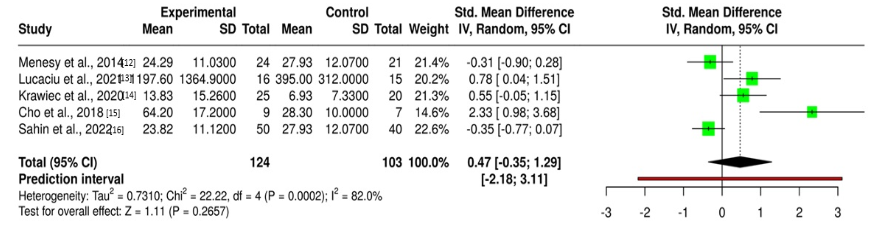
Figure 2a: Forest plot of Meta-analysis of IL-17 in Crohn’s Disease (Inflammatory Bowel Diseases
Visualization of the funnel plot indicated slight asymmetry whereby most of the studies fit around the pooled effect, and one study had a relatively higher positive effect size. This trend along with the large heterogeneity recorded in the meta-analysis (I2 = 82%), indicates the presence of the potential small-study effects or methodological variation across studies. Nevertheless, few studies limit the conclusive evaluation of publication bias (Figure 2b).
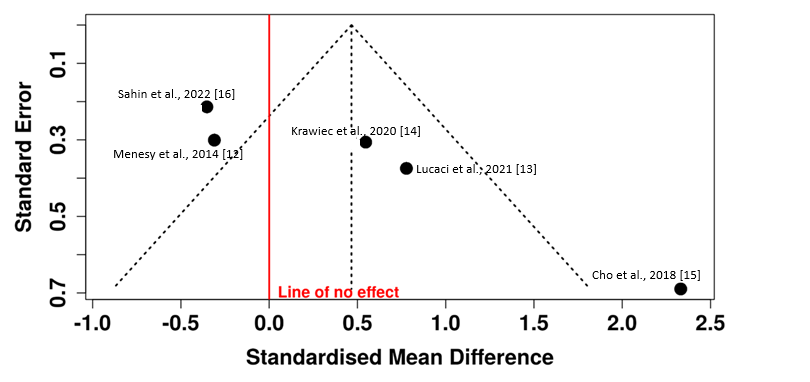
Figure 2b: Funnel Plot Assessing Publication Bias in Studies Reporting Circulating IL-17 Levels in Crohn’s Disease (Inflammatory Bowel Diseases
A total of three studies of 119 patients with autoimmune hepatitis and 102 healthy controls were incorporated in the quantitative synthesis. The pooled standardized mean difference using a random-effects model was −14.38 (95% CI: −43.61 to 14.84). The overall effect was not statistically significant (Z = −0.96, p = 0.33). Substantial heterogeneity was observed (I² = 98%, χ² = 119.38, p < 0.00001), indicating very high variability between studies. Tau2 was estimated to be 660.8652 and indicates a high level of dispersion in effect sizes. The broad-range of confidence interval and high level of heterogeneity indicate that disparity in the study designs, patient characteristics, severity of disease and methods of measurements could have contributed to the results observed. All in all, the pooled analysis failed to show statistically significant difference in circulating IL-17 between patients of autoimmune hepatitis and healthy controls (Figure 3a).

Figure 3a: Forest Plot of Circulating IL-17 Levels in Patients with Autoimmune Hepatitis Compared with Healthy Controls
The funnel plot of autoimmune hepatitis indicated a significant asymmetry, which was mainly caused by a single study that had a high negative effect size. Such observation is in line with the extremely high heterogeneity identified in the pooled analysis (I2 = 98%), and indicates the existence of influential outliers and significant variability between studies. The evaluation of publication bias is also not extensive because of a limited number of incorporated studies (Figure 3b).

Figure 3b: Meta-analysis Forest Plot Showing the Standardized Mean Difference of Serum IL-17 Levels in Autoimmune Hepatitis Patients Versus Healthy Controls
Twenty-four participants in the experimental group and 24 in the control group were included in the two studies that were used to conduct the meta-analysis. A random effects model was used and the standardized mean difference (SMD) was estimated using the inverse variance method. There was also a significant difference in the serum IL-23 levels between patients with autoimmune hepatitis (AIH) and healthy controls in the pooled analysis, with an overall SMD of 2.13 (95% CI: 1.04–3.23). The difference between the overall effect of patients with AIH and controls was statistically significant (p < 0.05) with elevated levels of IL-23. But there was some important variation between the studies that had been included (p = 0.01). The I2 value was 84% indicating that the differences in results between studies were likely to be real, suggesting substantial d
ifferences in the effect size estimates (Figure 4a).

Figure 4a: Forest plot showing the meta-analysis of serum IL-23 levels in patients with autoimmune hepatitis (AIH) compared
With healthy controls (HC) based on included case–control studies.
Pooled estimate publication bias was assessed using a funnel plot, which indicated that the funnel plot did not show any evidence of publication bias for the two studies included ²³,²⁶ However, due to limited number of studies included, publication bias assessment is limited and should be taken with a grain of salt (Figure 4b).

Figure 4b: Funnel plot assessing publication bias among the studies included in the meta-analysis of serum IL-23 levels in autoimmune hepatitis (AIH).
The meta-analysis involved 3 studies that included 145 celiac disease patients and 93 healthy controls. Applying a random-effects model the pooled standardized mean difference was 0.85 (95% CI: 0.12 to 1.58). The entire effect was significant (Z = 2.29, p = 0.022) meaning that the amount of IL-17 in patients with celiac disease is significantly higher than in healthy individuals. Moderate to high heterogeneity was observed (I² = 85.2%, χ² = 13.53, p = 0.0012), suggesting substantial variability among studies. The between-study variance (Tau²) was 0.346. The between-study (Tau2) variance was 0.346. Although heterogeneous, the aggregated findings propose that the IL-17-mediated immune activation can be significant to the inflammatory processes related to celiac disease (Figure 5a).

Figure 5a: Forest Plot of the Pooled Standardized Mean Difference of Circulating IL-17 Levels in Patients with Celiac Disease Compared with Healthy Controls
The funnel plot of celiac disease was slightly asymmetrical, with the studies being concentrated on the positive effect side. Though the pooled analysis showed that the level of IL-17 was significantly high in the patients with celiac disease, the heterogeneity (I2 = 85.2) is so high, indicating variability among the studies. With such a limited number of studies included, it is impossible to draw definite conclusions about publication bias (Figure 5b). Two studies that were incorporated in the systematic review were not eligible for quantitative meta-analysis because they differed in the manner of outcome measurements. Madi et al. (2024) sampled salivary IL-17A, with the meta-analysis of only studies that reported serum cytokine concentration, which does not allow direct comparison of the results. Moreover, Nafari et al. (2022) measured IL-17A mRNA expression, but not the protein concentration in the bloodstream, with the help of qRT-PCR. Because the meta-analysis was limited to studies that had serum IL-17 concentrations recorded as mean ±- SD, this had excluded this study out of the pooled statistical analysis but included in the qualitative review.

Figure 5b: Funnel plot evaluating potential publication bias among studies included in the meta-analysis of circulating IL-17 levels in celiac disease.
When the findings were combined, there was no significant change due to sensitivity analysis. Some minor changes occurred in the effect size and the heterogeneity of the pooled studies with the exclusion of the individual studies, but the overall direction and interpretation of the results did not change. However, the overall findings were deemed to be fairly consistent with some potential caution about the findings as this was a highly heterogeneous study with limited numbers of studies. The subgroups were analyzed for disease type and cytokine profile. The results revealed disease-specific cytokine profiles: In celiac disease, levels of IL-17 were found to be significantly higher, while there were no significant pooled differences in levels of IL-17 in Crohn's disease or autoimmune hepatitis. Unlike other autoimmune diseases, the level of IL-23 was significantly raised in AIH indicating the activation of the IL-23/Th17 axis may be distinct in gastrointestinal and hepatic autoimmune conditions.
This meta-analysis summarized the results of studies that had assessed the level of circulating IL-17 with regard to inflammatory bowel disease (Crohn's disease), celiac disease, and autoimmune hepatitis. The major findings of current study include there was no statistically significant difference between pooled IL-17 in Crohn disease and controls (SMD = 0.47, 95% CI 0.35 to 1.29; I2 = 82%), with an extremely high between-study heterogeneity; whereas IL-17 was significantly higher in celiac disease (SMD = 0.85, 95% CI 0.12-1.58), it was highly heterogeneous 26,27 and ( In some analyses, the funnel-plot inspection indicated the possibility of small-study effects, than the limited number of studies restricted the ability of the tests to test bias. Collectively, these findings provide evidence of a disease-specific pattern of IL-17 dysregulation: a steady rise in the case of celiac disease and inconclusive results in the case of Crohn’s disease and very inconsistent results in the case of autoimmune hepatitis 28. According to the meta-analysis of IL-23 levels, the mean concentration of the cytokine in patients with autoimmune hepatitis (AIH) is much higher than it is in healthy controls, and the pooled standardized mean difference (SMD) is 2.13.
These findings have two aspects that support and elaborate the literature. First, the high IL-17 levels in celiac disease are in line with mechanistic models that state rapid, gluten-induced Th17-activation in a subgroup of patients, a trend observed in experimentally gluten-challenged and clinical cohort studies where mucosal and peripheral IL-17 increase in response to antigen-exposure 29, 30. The combination of all these signals enhances our effect, indicating that IL-17 has a moderate standardized effect size in independent cohorts, indicating that IL-17 could be utilized as a biomarker in the context of challenges or diagnostics 31, 32. Second, the mixed reports of IL-17 in Crohn and AIH are in agreement with the previous heterogeneous results: some clinical cohorts indicate high Th17 signatures in active disease or complications, but other studies do not show peripheral elevation or even normativity 33. This discrepancy is likely due to heterogeneity in disease stage (active vs. quiescent), exposure to treatment (biologics, immunomodulators, gluten-free diet), or source of sample (serum versus saliva or tissue), or assay systems (ELISA, multiplex, electrochemiluminescence) - all of which have been repeatedly identified in the literature of cytokine biomarkers as the cause of inconsistent between-study variation 34, 35. These findings support the context-specificity of IL-17 biology: in the acute, antigen-driven context of celiac disease, the peripheral IL-17 image is more clearly visible, whereas in Crohn’s disease and AIH the peripheral IL-17 image is obscured due to methodological and clinical heterogeneity 36. Furthermore, the increasing level of IL-23 is in line with increasing evidence that Th17 cells differentiate and persist through the action of IL-23, an essential cytokine, which is central to the immunopathogenesis of AIH. High concentrations of IL-23 can play a role in the activation and proliferation of Th17 cells, which induces hepatic inflammation by downstream secretion of pro-inflammatory cytokines including IL-17 and TNF-α 37.
This systematic review has certain limitations, which should be taken into account. First, despite the thorough search in four databases, almost half of the found full texts were not accessible (22/43), which might have caused selection bias and reduced representativeness. Second, the outcomes had few studies each, which lowers power, the validity of funnel-plot-based bias measures, and the ability to perform subgroup and meta-regression analyses that can be used to describe heterogeneity. Third, only studies with a mean + SD were included because studies with medians, semiquantitative data, or exclusively graphical data were excluded in case they could not be converted to estimates and thus affected the quantitative synthesis. Fourth, pooled estimates could have been influenced by language restriction and the possible publication bias. Lastly, there is a high degree of heterogeneity in a number of pooled analyses, which reduces the level of confidence with which pooled point estimates can be understood 38.
Inclusion of primary research studies is also limited which further limits inference. A number of them were small, single center observational studies with little control on confounders including medication intake, disease duration, comorbidity, and time relative to disease activity. Assay heterogeneity was intense: measurement in different analytical platforms, calibrators and in different units was made and some studies measured cytokines in non-serum (saliva, tissue) or reported mRNA and not protein-levels in these situations this is incomparable. These few studies were not detailed about laboratory blinding or quality control, and some of them were heterogeneous patient subgroups (pediatric/adult; active/inactive disease) that were not stratified in their reporting. Lastly, pooled estimates and inflated Tau2 (between-study variance) were affected by a small number of influential outliers with extreme means/SDs, further decreasing the accuracy of the belief in pooled effects.
On the basis of these limitations, it is evident where research should go further. Primary researches are supposed to use standardized assays and present harmonized units and complete statistical information (means, SDs, or convertible summary statistics) to allow to integrate them in meta-analyses. To distinguish disease-phase and treatment effects, larger, multi-center cohorts with timed protocols (e.g., sample at specific phases of disease) and scrupulous monitoring of treatment status are required. The meta-analysis of individual patient data (IPD-MA) or prospective harmonization of the data would allow the use of strong subgroup and meta-regression analyses to discover the moderators (age, activity, therapy) 39. The cause and effect and applicability of biomarkers will be explained by mechanistic longitudinal research of IL-17 kinetics following antigen challenge or therapy 40. Lastly, because of the feasible therapeutic implication, randomized trials or translational researches that would synchronize IL-17 dynamics and clinical outcome in the case of Th17- targeting intervention would be worthwhile 41.
This systematic review and meta-analysis assessed whether IL-17-mediated immune dysregulation plays a role in Crohn’s Disease, Celiac Disease, and Autoimmune Hepatitis. These findings indicated that the levels of IL-17 were significantly higher in celiac disease than in healthy controls, which supported the role of Th17-driven inflammation in the pathogenesis of celiac disease. Conversely, pooled analyses of both Crohn disease and autoimmune hepatitis were ineffective in statistically showing differences in the levels of IL-17, perhaps because of the heterogeneity in study design, patient characteristics, and methods of cytokine measurements. Little evidence also suggested higher IL-23 levels in autoimmune hepatitis, implying the stimulation of the IL-23/Th17 inflammatory pathway, but the human data were not enough to meta-analyze. Altogether, these results demonstrate that the IL-17 and IL-23-associated immune pathways play different roles in the multitude of autoimmune diseases, and these studies should be done on a larger and more standardized scale to elucidate their biomarker and therapeutic opportunities.

AL-NAJAM Journal of Medical and Life Sciences, Al Najam J Med Life Sci 2026:1(2), p24-36 (anjmls.org) © 2026 Authors. This work is published by Multidisciplinary Scholarly Advancement and Research MSAR Institute. The full terms of Journal Publishing policy is available at https://anjmls.com/index.php/anjmls/publishing-license and incorporate the Creative Commons Attribution – Non Commercial (CC BY, NC 4.0) License https://creativecommons.org/licenses/by-nc/4.0/. By accessing the work you hereby accept the Terms. Non-commercial uses of the work are permitted without any further permission, provided the work is properly attributed. Publisher’s Note: MSAR Institute remains neutral with regard to jurisdictional claims in published maps and institutional affiliations, and assumes no liability for the scientific accuracy or clinical efficacy of the content herein, as they rest entirely with the authors.