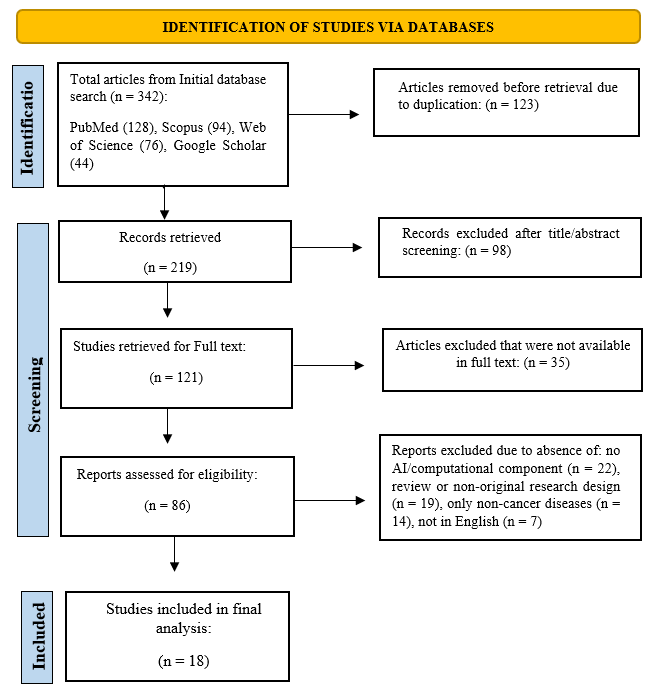
Figure 1: A PRISMA flow diagram following PRISMA guidelines 2020 outlining the study selection process of the systematic review
Irshad Khan1 | Asad Khalid2 | Muitaba Ehsan2 | Muhammad Akram1 | Ejaz Ehsan Khan3* | Khaleeq Ullah1
1Department of Pathology, University of Lahore, Lahore, Pakistan | 2Department of Biosciences, COMSATS University, Islamabad, Pakistan
3Department of Pathology, University of Florence, Italy
*Correspondence: Ejaz Ehsan Khan (ejazahmedpatho@gmail.com)
Received: 04 May, 2026; Revised (1st): 08 June, 2026; Revised (2nd): 08 September, 2026; Accepted: 12 September, 2026; Published: 20 September, 2026
Objective: Artificial intelligence (AI) use and computational approaches have transformed the discovery of plant-derived bioactive chemicals for cancer treatment. This review synthesized evidence on AI-based approaches, including network pharmacology, molecular docking, and machine learning, for identifying and validating anticancer plant-derived phytochemicals, focusing on their molecular targets and signaling pathways. Data Sources: PRISMA 2020 guidelines were followed. PubMed, Scopus, Web of Science, and Google Scholar were searched between October 2020 and July 2025. Study Selection: Studies with at least one AI or computational method, investigating plant-derived phytochemicals for anticancer effects, reporting quantitative computational outcomes, and offering free full-text access in English were included. Review articles, conference abstracts, non-plant studies, and non-English publications were excluded. Data Extraction: Two reviewers extracted data on predefined variables. An adapted PROBAST tool was used to assess risk of bias for in silico studies and modified SYRCLE tools for in vitro and in vivo studies, with certainty of evidence evaluated using the GRADE method. Data Synthesis: Eighteen studies satisfied the inclusion criteria. The most frequently discovered bioactive chemical was quercetin, which targets breast cancer, hepatocellular carcinoma (HCC), and lung cancer via AKT1, EGFR, TP53, and MAPK signaling pathways. The majority of in silico studies have a high risk of bias, while in vitro and in vivo studies were rated as having some concerns. The overall certainty of evidence was low. Conclusions: AI-based computational techniques have become critical tools for discovering plant-derived compounds and identifying multi-target mechanisms involving AKT1, EGFR, and PI3K/Akt signaling.
Keywords: Artificial Intelligence; Computational Biology; Drug Discovery; Molecular Docking Simulation; Neoplasms; Phytochemicals; Plants, Medicinal
Cancer was among the leading causes of morbidity and mortality, with an estimated 19.3 million new cases and about 10 million deaths reported in 2020 alone ¹. Even with significant improvements in surgery, radiotherapy, and conventional chemotherapy, plant-derived bioactive compounds offer more effective, safe, and specific anticancer agents, which provide multi-targeted pharmacological properties and also overcome the concerns related to drug resistance 2,3. Nevertheless, the traditional experimental process of discovery and confirmation of such compounds was laborious, time-consuming, and resource-intensive 4.
The advent of machine learning (ML) and artificial intelligence (AI) has revolutionized the drug discovery and development field 5. Computational methods, such as deep learning, quantitative structure-activity relationship (QSAR) modelling, network pharmacology, molecular docking and molecular dynamics (MD) simulation, can screen tens of thousands of phytochemicals with respect to molecular targets and map multi-target pharmacological networks at an unprecedented speed and accuracy 6. The built-in databases like the Traditional Chinese Medicine Systems Pharmacology Database (TCMSP), PubChem, DrugBank, ChEMBL, and SwissTargetPrediction also assist AI-based virtual pipelines with curated chemical, biological, and clinical data 7.
Although the AI-assisted phytochemical studies were increasing rapidly, a comprehensive synthesis consolidating the evidence on the AI-based computational strategies to identify plant-derived anticancer bioactives, to characterize their molecular targets, and validate their interactions by in silico and in experimental systems, was still lacking 8. The main objective of the systematic review was to summarize the data from computational pharmacology studies, including network pharmacology, molecular docking, molecular dynamics simulations, and AI/ML, on the identification and validation of plant-derived bioactive compounds with anticancer properties to assess the range of computational methods used, index the databases and virtual screening pipelines, examine the applicability of multi-target network pharmacology to explain polypharmacological mechanisms, and critically evaluate the limitations and translation issues of in silico predictions in phytochemical oncology.
Due to the direct retrospective design of this systematic review, which relies entirely on previously published, aggregated public data, this study was not prospectively registered in an international repository. However, to guarantee scientific rigor, the research layout, search strings, and evaluation criteria were mapped internally and strictly followed the structural framework of the PRISMA 2020 statement 9.
Database Search: An extensive search of electronic literature was performed in four scientific databases: PubMed, Scopus, Web of Science, and Google Scholar to find publications published from October 2020 to July 2025.
Search Strategy Used: The search strategy was developed as a structured search with the help of MeSH terms and free-text keywords, along with the Boolean operators (AND, OR). The main keywords were: "artificial intelligence ", "machine learning ", "deep learning ", "QSAR ", "network pharmacology ", "molecular docking ", "phytochemicals ", "plant-derived compounds ", "neoplasm ", "molecular target ", "protein-ligand interaction ", "signaling pathway ", "in silico ", and "computational pharmacology ". Other records were identified during manual review of reference lists of the qualified full-text articles.
Inclusion and Exclusion Criteria: The studies included were original research articles, used at least one AI or computational method, studied plant-derived phytochemicals, investigated anticancer effects or molecular targets in cancer, used known computational databases, and were published in English and provided free access to the full text. The studies were excluded if they were review article, conference abstracts, editors, or book chapters.
Study Selection Process: All database search results were imported into a reference management system, and duplicates were removed. All remaining records were then screened by two independent reviewers (ME, MA) in two distinct stages: title and abstract screening and got same same results. Full-text screening of the remaining articles was done. Any disagreement between reviewers at any level was settled by discussion.
Data Extraction: The data were independently extracted by two reviewers (ME, MA), comprising study design, AI and computational methods used, database and bioinformatics tools used, source of plant and specific bioactive compound(s), type(s) of cancer investigated, molecular target, identified signaling pathways, validation methodology, and key findings. Any discrepancies among reviewers were resolved through discussion.
Primary Outcome: The main focus of the systematic review was to describe and review the AI/computational methods of identifying and verifying plant-derived bioactive compounds as anticancer agents with particular attention to the molecular targets and signaling pathways.
Quality Assessment: There is no validated method for in silico studies, the risk of bias was assessed using an adapted version of the PROBAST. PROBAST domains were organized as follows: participants (data sources/databases), predictors (compounds/features), outcomes (molecular targets/pathways), and analysis (computational methods such as docking, network pharmacology, and machine learning). For studies involving experimental validation, appropriate domains from the Joanna Briggs Institute Critical Appraisal Tools were also evaluated. The domains were graded as low (+), high (−), or unclear (?). Studies with ≥1 high-risk domain were categorized as overall high risk, with focus on the analysis domain and validation status 10. The risk of bias was assessed with the SYRCLE tool for in vitro and in vivo research requirements. The certainty of evidence was evaluated according to the GRADE approach.
Figure 1: A PRISMA flow diagram following PRISMA guidelines 2020 outlining the study selection process of the systematic review
The first search of electronic databases retrieved 342 records (PubMed: 128, Scopus: 94, Web of Science: 76, Google Scholar: 44). Following automated and manual elimination of duplicate records, 219 unique articles were left. An additional 98 records failed to pass title and abstract screening and were excluded due to non-conformity with inclusion criteria, mainly because they were review articles, did not deal with plant-derived compounds or did not contain any in silico computational aspect. The 121 full-text articles were evaluated, 103 were eliminated due to the following reasons: not available freely in the full-text (n = 35), not a primary AI/computational component (n = 22), review or non-original research design (n = 19), only non-cancer diseases (n = 14), not in English (n = 7), and lack of quantitative computational outcomes. Eventually, 18 studies were included in this systematic review and met all the eligibility criteria. The PRISMA flow diagram in Figure 1, summarize the process of study selection.
The main findings of all 18 studies incorporated into this systematic review were given in Table I, and all of them utilized at least one of the AI-driven or computational pharmacology methods to explore the use of plant-derived bioactive compounds in anticancer applications. Studies included in this review contain network pharmacology, molecular docking, molecular dynamics simulation, QSAR modelling, machine learning, and pharmacophore-based approaches representing a variety of cancer types. Different bioinformatics databases were used to find phytochemical targets and map pertinent disease pathways.
| Study (Author, Year) Country | Study Type | AI/ Computational Method | Dataset / Database Used | Plant Source / Compound | Cancer Type | Molecular Target(s) | Validation Method | Key Findings | |
|---|---|---|---|---|---|---|---|---|---|
| Sakle et al., 2020 11 India | In silico + In vitro + In vivo | Network pharmacology + Molecular docking + PPI network analysis | PubChem, GeneCards, STRING, TCMID, TCMSP, TCM, Cytoscape, GO, KEGG | Caesalpinia pulcherrima Catechin, Ellagic acid, Cyaniding, Quercetin | Breast cancer | ESR1, ESR2, ESRRA, MET, VEGF, FGF, PI3K, PDK-1, MAPK, NEK-2, GRK | In vitro (MCF-7) + In vivo (MNU-induced rats) + Western blot | 29 components screened; 4 actives against breast cancer. | |
| Zhao et al., 2021 12 China | In silico + In vitro | Network pharmacology + Molecular docking + PPI | BATMAN TCM databases, GeneCard, OMIM, Oncodb. hcc databases, Cytoscape v3.7.1, UniProt, SwissTargetPrediction, GO, KEGG | Oxyresveratrol | Liver cancer (HCC) | ESR1, EGFR | Network pharmacology + In vitro validation (HepG2 cells) | ESR1 and EGFR identified as key anti-liver cancer targets an reduced ESR1 and EGFR mRNA in treated liver cancer cells. | |
| Zhong et al., 2022 13 China | In silico | Network pharmacology + Molecular docking + PPI | TCMSP, GeneCards, STRING, UniProt | Resveratrol | Endometrial cancer (Type I) | TP53, AKT1, PIK3CA, CASP3, EGFR | Molecular docking (hydrogen bonding and hydrophobic interaction analysis) | 122 shared targets identified; signalling pathways (PI3K/Akt, MAPK) predicted to underlie resveratrol's anti-endometrial cancer activity. | |
| Shaji et al., 2022 14 India | In silico + In vitro | Reverse docking + Network pharmacology | PubChem, SwissTargetPrediction, GeneCards, TCGA | Tamarixetin | Breast cancer | AKT1, ESR1, HSP90AA1 | In vitro cell-based assays (proliferation, ROS, mitochondrial membrane potential, cell-cycle, migration/invasion) | Top 3 hub genes (AKT1, ESR1, HSP90AA1) negatively correlated with survival. Tamarixetin induced G2/M arrest/ | |
| Huang et al., 2022 15 Hungary / Pakistan | In silico | Network pharmacology + Bioinformatics + molecular docking + survival analysis | TCMSP, CTD, TCGA, Human Protein Atlas, SwissTargetPrediction, SwissADME, GO/KEGG | Rhizoma curcumae Curcumol | Hepatocellular carcinoma (HCC) | RELA, SQSTM1 | Molecular docking simulation; in silico survival analysis | 44 homo sapiens biotargets identified. Curcumol predicted to induce apoptosis and modulate inflammatory response. | |
| Khalid et al., 2022 16 Pakistan | In silico + In vitro | Network pharmacology + Molecular docking + PPI network + System pharmacology | SwissTargetPrediction, OMIM, DisGeNET, CTD, GeneCard, PDB, GO, KEGG | Solanum surattense Quercetin | Hepatocellular carcinoma (HCC) | TNF, EGFR, mTOR, BCL2L1, ESR1, HRAS, HIF1α, AKT1 | Molecular docking validation; in vitro anti-cancerous activity on human liver cells (HepG2) and Vero cell lines | Quercetin identified as primary active compound inhibiting HCC targets. In vitro results confirmed anti-cancerous activity of S. surattense. | |
| Wu et al., 2022 17 China | In silico + In vitro | Network pharmacology + Molecular docking + Pathway enrichment + Bioinformatics + PPI | TCMSP, (BATMAN-TCM, UALCAN, Human Protein Atlas (HPA), TCGA dataset, RCSB PDB, GO, KEGG | TCM formula (Yiqi Jianpi Jiedu) / Quercetin, Luteolin, Baicalein, Wogonin | Hepatocellular carcinoma (HCC) | MAPK3, RAC1, RHOA, β-catenin, PI3K, AKT | In vitro proliferation, migration, invasion and apoptosis assays; mRNA and protein expression verification | Key bioactive ingredients act via PI3K/Akt. In vitro results confirmed inhibition of HCC proliferation, migration and invasion in a concentration-dependent manner. | |
| Bultum et al., 2022 18 South Korea / Ethiopia | In silico | Pharmacophore-based virtual screening + ADMET profiling + Network propagation analysis | PubChem, SwissADME, admetSAR, CODA, UniProt, KEGG, GO | Ethiopian indigenous aloes | Multiple cancer types (pathway-based) | 82 human targets (KEGG: steroid hormone biosynthesis, cancer pathways) | In silico target fishing; network propagation on CODA network; no experimental validation | 207 KEGG pathways enriched including chemical carcinogenesis. Aloe phytochemicals exhibited polypharmacological effects on multiple genes and signalling pathways. | |
| Bhattacharya et al., 2024 19 India / Nepal | In silico | Network pharmacology + Molecular docking + Molecular dynamics simulation + MM-GBSA | TCMSP, TCMID PubChem, ChemDraw, MolSoft L.L.C, Protox II, Way2Drug, DisGeNET, Ensemble, VENNY, GeneCards, STRING, KEGG, SwissTargetPrediction | Drymaria cordata | Cervical cancer | HRAS, VEGFA | Molecular docking (AutoDock); MD simulation; MM-GBSA analysis | Quercetin 3-O--D-glucopyranosyl-(12)-rhamnopyranoside as hit compound identified targeting HRAS and VEGFA inhibitor. | |
| Arif et al., 2024 20 Pakistan / Saudi Arabia | In silico + In vitro + In vivo | Network pharmacology + Molecular docking + ADMET profiling | IMMPAT, SwissTargetPrediction, STITCH, Geneard, DisGeNet, Cytoscape, STRING, DAVID database, Go, KEGG | N. sativa Betulinic acid, Stigmasterol | Breast cancer | EGFR, MAPK3, ESR1, MAPK1, PTGS2 | In vitro (MDA-MB-231 cell line, MTT assay) + In vivo (DMBA-induced rat model) | 14 phytochemicals prioritized; betulinic acid and stigmasterol confirmed significant anti-breast-cancer activity. In vivo experiment showed significant recovery of cancer biomarkers. | |
| Varadharajan et al., 2024 21 India / Korea / Saudi Arabia | In silico | Network pharmacology + Omics-based target identification + Molecular docking | SwissTargetPrediction, SuperPred, DIGEP-Pred, TTD, OMIM, GeneCards IMPPAT, GO/KEGG | Piper longum 7-epi-eudesm-4(15)-ene-1β, demethoxypiplartine, methyl 3,4,5-trimethoxycinnamate, 6-alpha-diol, and aristolodione | Lung cancer | CTNNB1, STAT3, HIF1A, HSP90AA1, ERBB2 | Molecular docking + PPI network + GO/KEGG pathway analysis | 33 bioactive molecules screened; 72 intersected with 666 lung cancer markers. 6-alpha-diol showed pronounced affinity for HIF1A. Purely computational; requires in vitro confirmation. | |
| Saini et al., 2024 22 India | In silico | Network pharmacology + Molecular docking + Molecular dynamics simulation + MM/GBSA + Free energy landscape (FEL) | Human Protein Atlas (HPA), cBioportal, SwissADME, Cytoscape, GeneCodis4, ShinyGO 0.76, PubChem | Krishnadi Churna (polyherbal) / Gallic acid, Piperine, Quercetin, Resveratrol, β-sitosterol | Breast cancer | ESR1, CYP19A1, EGFR | Molecular docking (Schrödinger); MD simulation; MM/GBSA + FEL analysis; ADMET (SwissADME + ADMETlab 2.0) | 134 of 135 predicted targets mutated in breast cancer patients. Phytoconstituents showed similar or better docking scores than positive controls. Computational predictions pending experimental validation. | |
| Irham et al., 2025 23 Indonesia | In silico + In vitro | Network pharmacology + Molecular docking + Molecular dynamics +PPI | KNApSAcK, SwissTargetPrediction, GO, KEGG, cBioPortal, WebGestalt, RCSB PDB | Avicennia alba Avicenol B, Avicenol C, Avicequinone B, and Avicequinone C | Colorectal cancer | EGFR, PIK3CA, JAK2 | MTT assay on WiDr cell lines, molecular dynamics simulations | Avicequinone C showed the strongest binding to hub genes with stable π-sigma, alkyl, and hydrogen bonds; confirmed by in vitro cytotoxic activity | |
| Gao et al., 2024 24 China | In silico | High-throughput virtual screening + Network pharmacology + Molecular docking + Molecular dynamics + PPI | Swiss Target Prediction, Cytoscape3.9.1, PDB, STRING, GeneCards, OMIM | Saussurea lappa | Non‑small cell lung cancer (NSCLC) | EGFR L858R mutant | GC–MS analysis, molecular dynamics simulations (RMSD, RMSF) | Identified potent plant‑based inhibitors of EGFR L858R with stable binding conformations and favourable pharmacokinetic profiles | |
| Gondokesumo & Rasyak, 2024 25 Indonesia | In silico | Machine learning (ML) + Molecular docking | Dudedocking, ADME databases, PRODIGY | Zingiber officinale (ginger) | Breast cancer | KIT, MAPK2 | ML model validation (ROC, AUC), molecular docking | ML models predicted several ginger compounds as superior to reference ligands for MAPK2; lycopene and shogaols showed low predicted toxicity | |
| Grijaldo et al., 2023 26 Philippines | In silico + In vitro | Network pharmacology + Molecular docking | PubMed NCBI, PubChem, SWISS Target Prediction, STITCH, DGIdb, RCSB PDB | M. zapota, M. indica, A. muricata, A. heterophyllus, L. domesticum, A. bunius Quercetin, Genistein, α-pinene, cyanomaclurin, kaempferol, norartocarpetin, rutin, ellagic acid | Lung cancer | EGFR, AKT1, KDR, MMP2, MMP9, ERBB2, IGF1R, MTOR, and HRAS | In vitro cytotoxicity assay on A549 cells | n-hexane, ethyl acetate, and methanol leaf extracts from A. muricata, L. domesticum and M. indica gave the highest growth inhibitory activity against A549 lung cancer cells | |
| Quintal Bojórquez et al., 2024 27 Mexico | In silico | Multi‑criteria decision analysis + Molecular docking | Protein fraction <1 kDa | Salvia hispanica | Various cancer | Cancer‑related and apoptosis‑related molecules | Molecular docking (binding free energy calculations) | All five PAPs exhibited strong binding interactions (< –100 kcal/mol); PAP‑3 showed the lowest binding free energies with multiple targets | |
| Das et al., 2024 28 India | In silico | Machine learning (Random Forest, k‑NN, SVM, XGBoost) + Molecular docking + Molecular dynamics | NPACT database, COCONUT database (~400,000 natural products) | Natural product library | Lung cancer | EGFR (mutant) | ML model validation (accuracy, ROC), 100 ns MD simulations | Random forest with MACCS fingerprint achieved best performance; identified 205 potential inhibitors; top three compounds validated by MD as strong binders similar to staurosporine | |
| PPI, protein–protein interaction; ESR1, estrogen receptor 1; ESR2, estrogen receptor 2; ESRRA, estrogen related receptor alpha; MET, MET proto‑oncogene, receptor tyrosine kinase; VEGF, vascular endothelial growth factor; FGF, fibroblast growth factor; PI3K, phosphoinositide 3‑kinase; PDK‑1, pyruvate dehydrogenase kinase 1; MAPK, mitogen‑activated protein kinase; NEK‑2, NIMA‑related kinase 2; GRK, G protein‑coupled receptor kinase; MCF‑7, Michigan Cancer Foundation‑7 (breast cancer cell line); MNU, N‑methyl‑N‑nitrosourea; UniProt, universal protein resource; SwissTargetPrediction, SIB target prediction web server; HCC, hepatocellular carcinoma; HepG2, Hepatoblastoma G2 (liver cancer cell line); mRNA, messenger ribonucleic acid; TCMSP, traditional Chinese medicine systems pharmacology database; TP53, tumor protein p53; AKT1, AKT serine/threonine kinase 1; PIK3CA, phosphatidylinositol‑4,5‑bisphosphate 3‑kinase catalytic subunit alpha; CASP3, caspase 3; EGFR, epidermal growth factor receptor; TCGA, the cancer genome atlas; HSP90AA1, heat shock protein 90 alpha family class A member 1; ROS, reactive oxygen species; CTD, comparative toxicogenomics database; SwissADME, Swiss institute of bioinformatics ADME tool; RELA, RELA proto‑oncogene, NF‑κB subunit; SQSTM1, sequestosome 1; TNF, tumor necrosis factor; mTOR, mechanistic target of rapamycin; BCL2L1, BCL2 like 1; HRAS, HRas proto‑oncogene, GTPase; HIF1A, hypoxia‑inducible factor 1 subunit alpha; DrugBank, drug bank database; MAPK3, mitogen‑activated protein kinase 3; RAC1, Rac family small GTPase 1; RHOA, Ras homolog family member A; ADMET, absorption, distribution, metabolism, excretion, toxicity; ChemSpider, chemspider chemical database; CODA, network propagation tool; MM‑GBSA, molecular mechanics generalized born surface area; AutoDock, autodock molecular docking software; DMBA, 7,12‑dimethylbenz[a]anthracene; MDA‑MB‑231, M.D. Anderson metastatic breast cancer 231 cell line; MTT, 3‑(4,5‑dimethylthiazol‑2‑yl)‑2,5‑diphenyltetrazolium bromide; PTGS2, prostaglandin‑endoperoxide synthase 2 (COX‑2); IMPPAT, Indian medicinal plants, phytochemistry and therapeutics; SuperPred, superpred target prediction webserver; DIGEP‑Pred, drug‑induced gene expression profile predictor; TTD, therapeutic target database; OMIM, online mendelian inheritance in man; CTNNB1, catenin beta 1; STAT3, signal transducer and activator of transcription 3; ERBB2, Erb‑B2 receptor tyrosine kinase 2 (HER2); FEL, free energy landscape; PharmMapper, pharmacophore mapper; PDB, protein data bank; CYP19A1, cytochrome P450 family 19 subfamily A member 1; ADMETlab, ADMETlab web server; cBioPortal, cBio cancer genomics portal; JAK2, Janus kinase 2; WiDr, Widr colorectal cancer cell line; GC‑MS, gas chromatography–mass spectrometry; NSCLC, non‑small cell lung cancer; RMSD, root‑mean‑square deviation; RMSF, root‑mean‑square fluctuation; ML, machine learning; ROC, receiver operating characteristic; AUC, area under the curve; KIT, KIT proto‑oncogene, receptor tyrosine kinase; MAPK2, mitogen‑activated protein kinase 2; MMP2, matrix metalloproteinase 2; MMP9, matrix metalloproteinase 9; A549, A549 lung cancer cell line; PAP, peptide from Salvia hispanica (anticancer peptide); kDa, kilodalton; k‑NN, k‑nearest neighbors; SVM, support vector machine; XGBoost, extreme gradient boosting; COCONUT, collection of open natural products database; MD, molecular dynamics; ns, nanosecond; MACCS, molecular ACCess system fingerprints. | |||||||||
The 18 studies addressed a variety of phytochemicals of medicinal plants and a variety of cancers. The most widely used computational model was network pharmacology along with molecular docking, followed by machine learning to train predictive anticancer activity models. The most frequently identified bioactive phytochemical was quercetin, which was used against breast cancer, hepatocellular carcinoma, and lung cancer via regulation of AKT1, EGFR, TP53, and MAPK signaling pathways. Among the included studies, 10 were purely based on in silico findings and 8 were supported by some experimental validations i.e., 8 studies used in vitro cytotoxicity measurements, with 2 studies also utilizing in vivo animal models, providing multi-level mechanistic confidence to the computational findings.
The study designs ranged from pure computational pharmacology to integrative in silico, in vitro, and in vivo platforms, indicating the steadily advanced AI-aided phytochemical research. The molecular targets that were observed in multiple studies were largely biased by a small group of high-connectivity oncoproteins, in particular, EGFR, AKT1, TP53, ESR1 and MAPK3, which are repeated across cancer types and plant sources, implying that the hub targets of phytochemical intervention are the intersections. KEGG pathway enrichment analysis demonstrated that PI3K/ Akt, MAPK, NF-kB cascades were consistently enriched by plant-derived compounds. Notably, results from all studies that included in vitro or in vivo validation were consistent with in silico predictions, which indicated biological plausibility of the computational methods used.
The PROBAST-based assessment showed that the majority of research were at high risk of bias, resulting from limits in the analysis domain, such as a lack of external validation and reliance on computational predictions. Studies that included in vitro and/or in vivo validation had lower risk in outcome areas, but pure in-silico studies were consistently assessed as high risk. Applicability problems were typically minimal, while several studies had unclear applicability due to inadequate reporting of outcome definitions and predictor selection, as shown in Table II.
| Study author | Risk of Bias | Applicability | |||||||
|---|---|---|---|---|---|---|---|---|---|
| Participants | Predictors | Outcome | Analysis | Overall | Participants | Predictors | Outcome | Overall | |
| Sakle et al., 2020 11 | + | + | + | − | − | + | + | + | + |
| Zhao et al., 2021 12 | − | + | + | − | − | + | + | + | + |
| Zhong et al., 2022 13 | − | + | ? | − | − | + | + | ? | ? |
| Shaji et al., 2022 14 | − | + | + | − | − | + | + | + | + |
| Huang et al., 2022 15 | − | + | ? | − | − | + | + | ? | ? |
| Khalid et al., 2022 16 | − | + | + | − | − | + | + | + | + |
| Wu et al., 2022 17 | + | + | + | − | − | + | + | + | + |
| Bultum et al., 2022 18 | − | − | ? | − | − | + | − | ? | − |
| Bhattacharya et al., 2024 19 | − | + | ? | − | − | + | + | ? | ? |
| Arif et al., 2024 20 | + | + | + | + | + | + | + | + | + |
| Varadharajan et al., 2024 21 | − | − | ? | − | − | + | − | ? | − |
| Saini et al., 2024 22 | − | − | ? | − | − | + | − | ? | − |
| Irham et al., 2025 23 | − | + | + | − | − | + | + | + | + |
| Gao et al., 2024 24 | − | + | ? | − | − | + | + | ? | ? |
| Gondokesumo & Rasyak, 2024 25 | − | + | + | − | − | + | + | + | + |
| Grijaldo et al., 2023 26 | − | + | + | − | − | + | + | + | + |
| Quintal Bojórquez et al., 2024 27 | − | − | ? | − | − | + | − | ? | − |
| Das et al., 2024 28 | − | + | + | − | − | + | + | + | + |
The risk of bias assessment of the eight studies that involved in vitro experimental validation showed a similar tendency of some concerns in all the studies, as shown in Table III. The area of random sequence generation was homogeneously considered as Low risk because all the studies used randomized layouts and indicated cell line sources and cell culture conditions. The allocation concealment and result assessment are rated as some concerns in all eight studies, which is a well-known weakness of in vitro laboratory-based research. The unfinished outcome data and selective reporting areas were considered low risk in all situations because studies reported complete data of all biological replicates and assessed outcomes.
| Study | Random sequence generation | Allocation concealment | Blinding of participants and personnel | Blinding of outcome assessment | Incomplete outcome data | Selective reporting | Other sources of bias | Overall |
|---|---|---|---|---|---|---|---|---|
| Sakle et al., 2020 11 | Low (randomly assigned wells) | Some concerns (not described) | Some concerns (blinding not stated) | Some concerns (assessor blinding not stated) | Low | Low | Low | Some concerns |
| Zhao et al., 2021 12 | Low (randomized plate layout) | Some concerns | Some concerns | Some concerns | Low | Low | Low | Some concerns |
| Shaji et al., 2022 14 | Low (randomized) | Some concerns | Some concerns | Some concerns | Low | Low | Low | Some concerns |
| Khalid et al., 2022 16 | Low (randomized) | Some concerns | Some concerns | Some concerns | Low | Low | Low | Some concerns |
| Wu et al., 2022 17 | Low (randomized) | Some concerns | Some concerns | Some concerns | Low | Low | Low | Some concerns |
| Arif et al., 2024 20 | Low (randomized) | Some concerns | Some concerns | Some concerns | Low | Low | Low | Some concerns |
| Irham et al., 2025 23 | Low (randomized) | Some concerns | Some concerns | Some concerns | Low | Low | Low | Some concerns |
| Das et al., 2024 28 | Low (randomized) | Some concerns | Some concerns | Some concerns | Low | Low | Low | Some concerns |
The risk of bias assessment of the two studies that used in vivo animal model validation has produced an overall rating of some concerns, as shown in Table IV. The process of random sequence generation was also low risk in both studies, with animals being randomly assigned to experimental groups with well-defined group sizes. Generally, the in vivo experiments showed that preclinical animal research has acceptable methodological standards, but some concerns rating indicated that it would be better to be clearer about how blinding and allocation procedures were carried out in subsequent in vivo phytochemical validation experiments instead of showing that the reported results were systematically biased.
| Study | Random sequence generation | Allocation concealment | Blinding of participants and personnel | Blinding of outcome assessment | Incomplete outcome data | Selective reporting | Other sources of bias | Overall |
|---|---|---|---|---|---|---|---|---|
| Sakle et al., 2020 11 | Low (randomly divided) | Some concerns (not described) | Low (animals housed together) | Some concerns (IHC blinding not stated) | Low | Low | Low | Some concerns |
| Arif et al., 2024 20 | Low (56 rats, 7 groups) | Some concerns (not described) | Low | Some concerns (blinding not stated) | Low | Low | Low | Some concerns |
Traffic light plot showing the risk of bias of the two in vivo preclinical animal studies were assessed using Robvis software, as shown in Figure 2. The small sample size of in vivo studies (n = 2) limited the generalizable conclusions on the quality of the overall preclinical evidence but the findings indicated that subsequent in vivo validation studies should incorporate and explicitly describe standardized blinding and randomization protocols to enhance the translational plausibility of computational predictions.
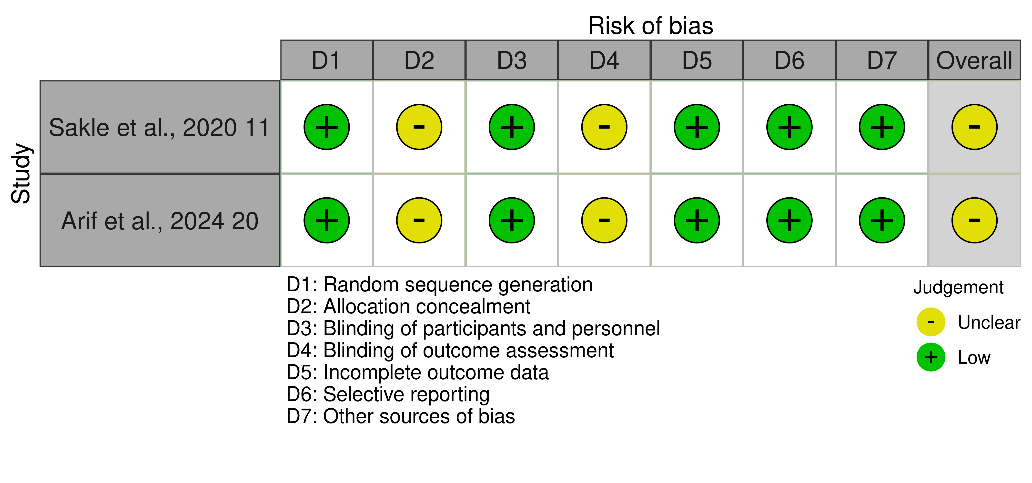
Figure 2: Traffic light plot illustrating the risk of bias assessment for in vivo preclinical animal studies using the Robvis tool
Traffic light plot illustrating the risk of bias measurement of the eight in vitro experimental studies were assessed with the Robvis software, as shown in Figure 3. Low risk of bias denoted by green circles and some concerns was denoted by yellow circles The plot indicated a consistent trend of low risk in random sequence generation, incomplete outcome reporting, and selective reporting, whereas the domain of allocation concealment and blinding always had some concerns. The certainty of evidence based on a GRADE framework was low, mainly because of the sheer indirectness of computational predictions based on the clinical outcome, methodological heterogeneity across docking platforms, and the limited number of experimental validations of the included studies.
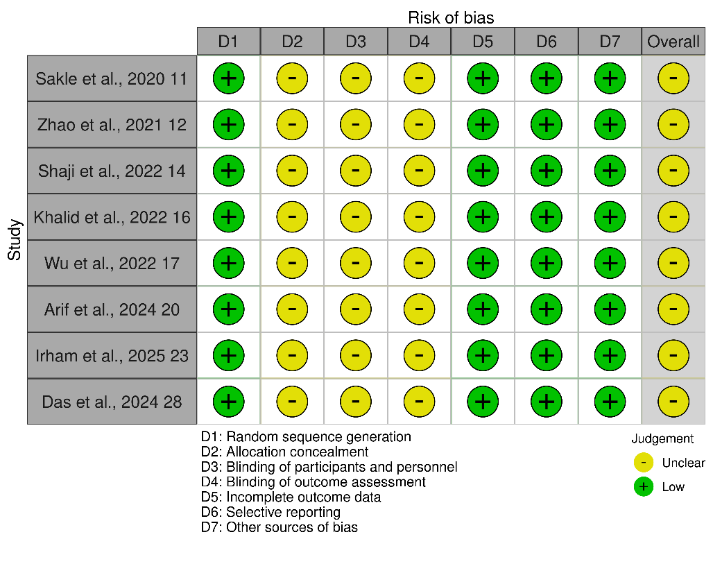
Figure 3: Traffic light plot depicting the risk of bias assessment for in vitro experimental studies using Robvis toll
Overall, the studies demonstrated substantial variation in computational approaches, phytochemical sources, cancer types, molecular targets, and validation methods. The following discussion interprets these findings in the context of current evidence on computational phytochemical discovery and anticancer mechanisms
This systematic review summarized 18 original research studies which used artificial intelligence and computational pharmacology models such as network pharmacology, molecular docking, molecular dynamics simulation, QSAR modelling and machine learning to identify and predict the anticancer properties of plant-derived bioactive compounds. This integrative strategy demonstrated a reproducible convergence strategy in phytochemical targets and signaling pathways that would remain invisible in single-compound or single-cancer studies, providing a more general and transferable framework for guiding future in silico phytochemical oncology pipelines. Together, these methods have evolved into the backbone of modern phytochemical drug discovery, allowing large libraries of compounds to be screened simultaneously against a variety of cancer-relevant targets, and accelerating the process of identifying leads for experimental validation.
Among the 18 included studies, the most prevalent method was network pharmacology, followed by molecular docking. The frequent emergence of AKT1, EGFR, TP53, ESR1, and MAPK3 as central targets for phytochemicals derived from a broad range of plants and interrogating multiple cancers was biologically significant ²⁹. The PI3K/Akt/mTOR pathway was one of the most frequently overactive survival pathways in human cancer, and has been widely documented to be regulated by natural products 30.
The most frequently identified bioactive compound, quercetin was identified in studies targeting breast cancer, hepatocellular carcinoma, and lung cancer with inhibition of AKT1 and EGFR, suppression of MAPK, and induction of apoptosis. This multifaceted activity was consistent with its reported modulation of PI3K/Akt, NF-κB and Notch pathways in a variety of tumors 31. Resveratrol has displayed anticancer activities, particularly in endometrial cancer and HCC, where it targeted TP53, AKT1, PIK3CA, CASP3, and EGFR via the PI3K/Akt and MAPK pathways 32. Resveratrol has shown cytoprotective effects through scavenging of reactive oxygen species, further justifying its inclusion in the virtual screening cycle for designing anti-cancer drugs 33. The multiple hits on different oncogenic targets by structurally diverse phytochemicals support their polypharmacological activity and multi-target mechanisms, extending beyond conventional single-target approaches 34.
The epidermal growth factor receptor (EGFR) emerged as the most prominent molecular target, Featuring in studies of breast, lung, liver, colorectal and cervical cancers. EGFR, commonly mutated in non-small cell lung cancer (NSCLC), has been extensively targeted by established therapies and continues to be explored through emerging immunotherapeutic strategies 35. Plant-based EGFR inhibitors identified by high-throughput virtual screening and machine learning-driven QSAR studies were an opportune approach to address this clinical challenge.
The use of machine learning in two studies expanded phytochemical discovery beyond traditional network pharmacology approaches, by allowing large-scale activity prediction from molecular fingerprints using Random Forest, Support Vector Machine (SVM), k-Nearest Neighbour (kNN) and XGBoost models. This enabled the discovery of candidate molecules from the hundreds of thousands of natural product scaffolds present in the databases with a computational speed that could not be achieved with experimental screening. The in vivo study that validated the new candidate compounds and the experimental evidence that plant-derived withanolide E from Physalis peruviana exhibited anticancer activity in DMBA-induced breast cancer models 36, 37, together strengthen the growing evidence that phytochemicals prioritized by computational approaches can have preclinical activity.
The results from studies related to hepatocellular carcinoma (HCC) focused on phytochemicals for the treatment of HCC, with network pharmacology analyses pinpointing RELA, SQSTM1, AKT1, EGFR, and TNF as potential targets. Natural products have demonstrated significant potential in targeting autophagic signaling pathways in HCC 38, and the active compounds identified in the included studies, such as curcumol, quercetin, and Solanum surattense compounds, regulated PI3K/Akt, MAPK and NF-κB pathways that were strongly associated with autophagic and apoptotic processes in liver cancer 39. The in vitro validation studies demonstrated target gene down-regulation in human liver cancer cell lines, thereby validating the computational findings, and highlighting the significance of network pharmacology-predicted targets in HCC.
However, critical translational gaps remain, and the PROBAST-based risk of bias assessment revealed that the majority of included studies were at high risk of bias, due to limitations in the analysis domain, specifically a lack of external validation and reliance solely on computational predictions without experimental confirmation. Only one study had a low overall risk of bias, due to the inclusion of both in vitro and in vivo validation. Pure in silico investigations were consistently evaluated as high-risk, emphasizing the importance of prospective experimental validation. Pharmacokinetic filters used for screening (oral bioavailability ≥ 30%, Lipinski's Rule of Five) don't completely predict in vivo properties. Phytochemicals like quercetin, curcumin, and resveratrol were heavily metabolized, have poor systemic bioavailability, and insufficient penetration into the tumor, limiting the amount of active drug that can reach the target site.
Limitations of this review are process-related (e.g., confined to English-language, full-text articles published in 2020-2025 in four databases), which can lead to language and publication bias. Also, there was certain subjectivity inherent in the adapted application of the PROBAST and SYRCLE tools to assess the risk of bias, and the exclusion of non-peer-reviewed literature (e.g., conference abstracts) could have left some developing results out. There was a risk of publication bias towards positive docking results, which increases the apparent consistency in silico agreement. Future research should focus on hybrid validation strategies (integrating in vitro and in vivo assays from the outset) , adopt standardized reporting guidelines for computer-aided drug design, and use of nano-formulation strategies to enhance the translational potential of in silico-prioritized phytochemicals.
Computational pharmacology techniques (including network pharmacology, molecular docking, molecular dynamics simulation, and machine learning) have become essential to discovering plant-derived leads for cancer treatment. Across 18 original studies, a wide range of phytochemicals were shown to engage high -priority promising targets (AKT1, EGFR, TP53, ESR1) through signaling pathways (PI3K/Akt, MAPK, NF-κB). Although the overall certainty of evidence was very low because of the indirect nature of the computational models, the plausibility of biological findings was supported by consistent experimental verification in some of the studies. Transparent reporting, prospective in vitro/in vivo validation, and drug delivery approaches (nano-formulations) are critical steps that are needed to translate these computational findings into anticancer leads for future research.

AL-NAJAM Journal of Medical and Life Sciences, Al Najam J Med Life Sci 2026:1(3), p83-92 (anjmls.org) © 2026 Authors. This work is published by Multidisciplinary Scholarly Advancement and Research MSAR Institute. The full terms of Journal Publishing policy is available at https://anjmls.com/index.php/anjmls/publishing-license and incorporate the Creative Commons Attribution – Non Commercial (CC BY, NC 4.0) License https://creativecommons.org/licenses/by-nc/4.0/. By accessing the work you hereby accept the Terms. Non-commercial uses of the work are permitted without any further permission, provided the work is properly attributed. Publisher’s Note: MSAR Institute remains neutral with regard to jurisdictional claims in published maps and institutional affiliations, and assumes no liability for the scientific accuracy or clinical efficacy of the content herein, as they rest entirely with the authors.