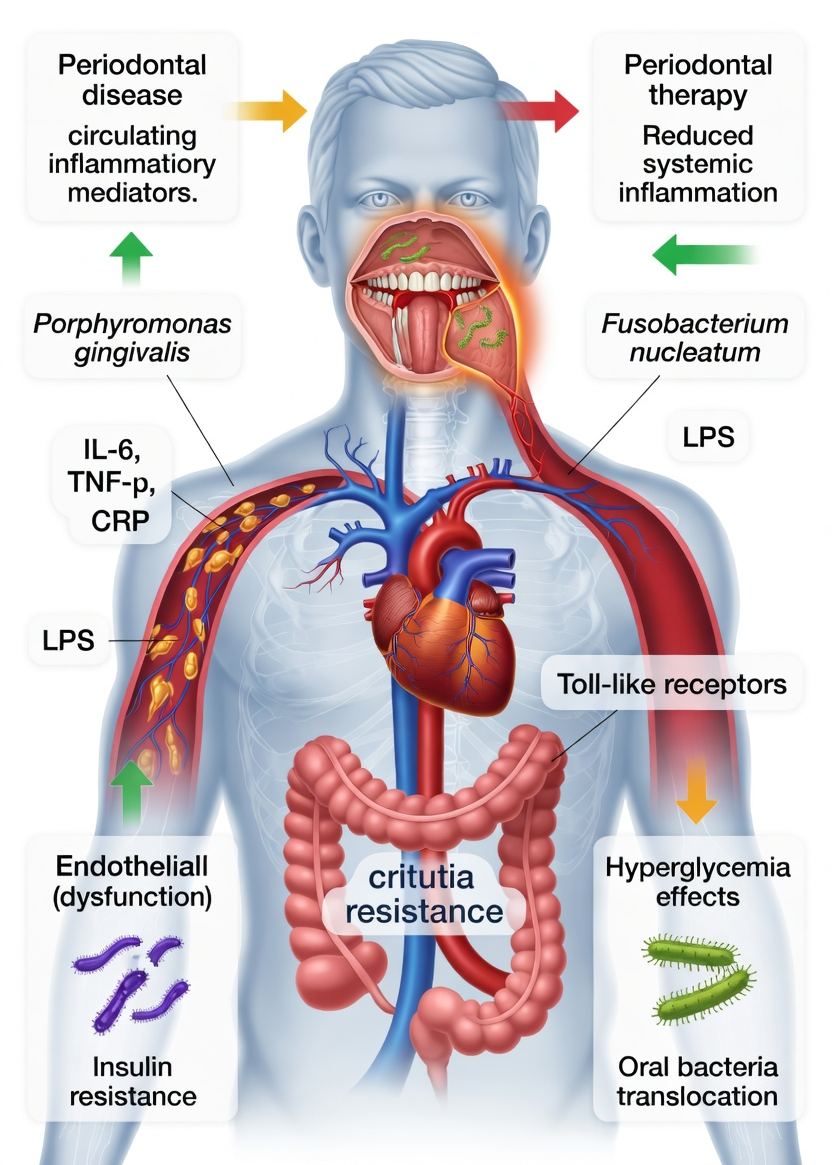
Figure 1. The periodontal-cardiometabolic axis linking oral inflammation to systemic inflammation, cardiometabolic disease17.
Ayisha Yousaf1 | Fatima Ali2*
1School of Biochemistry and Biotechnology, University of the Punjab, Lahore, Pakistan | 1School of Molecular Pathology, University of Rome, Italy
*Correspondence: Fatima Ali (fmohsinali7@gmail.com)
Received: 13 February, 2026; Revised: 01 March, 2026; Accepted: 05 March, 2026; Published: 10 March, 2026
Periodontal disease is among the most prevalent chronic inflammatory diseases globally, that is characterized by unremitting dysbiosis of microbes and destruction of tooth supportive tissue 1. Periodontitis is traditionally thought of as a localized oral disease but today is being perceived as a systemic inflammatory disease with extensive health consequences. The damaged periodontal pocket epithelium offers a direct pathway of entry of oral bacteria and their toxic by-products into the bloodstream leading to recurrent occurrences of bacteremia and systemic immune response 2. This unending microbial challenge is central in influencing the so called periodontal-cardiometabolic axis (Figure 1).
Figure 1. The periodontal-cardiometabolic axis linking oral inflammation to systemic inflammation, cardiometabolic disease17.
Chronic periodontal inflammation favors the release of systemic inflammatory mediators such as interleukin-6, tumor necrosis factor-alpha and C-reactive protein that are highly implicated in endothelial dysfunction and atherogenesis 3. These circulating mediators destroy vascular homeostasis, diminish nitric oxide levels of bioavailability and increase oxidative stress to form a biological environment where cardiovascular disease is favorable. Most recent molecular and epidemiological findings indicated that moderate to severe periodontitis patients have a greater number of systemic inflammatory indicators and are at a higher risk of coronary artery disease and ischemic stroke 4. Oral microbial by-products have direct effects on cardiometabolic pathways in addition to having effects on inflammatory signaling. The major periodontal pathogens like Porphyromonas gingivalis and Fusobacterium nucleatum have the capability of spreading to the bloodstream and engaging with the endothelial cells in the vascular beds, macrophages and platelets 5. Gram-negative oral bacteria lipopolysaccharides initiate Toll-like receptor signaling and nuclear factor-kB signaling and stimulate chronic low-grade inflammation and rapid atherosclerotic plaque 6.
The oral microbiome also interacts with the systemic metabolism in the oral-gut microbiota axis. New findings have shown that the gastrointestinal tract can be colonized by oral bacteria and restructure intestinal microbial colonies, which alters the generation of short-chain fatty acids structuring the bile acid metabolism and inflammatory metabolites 7. Such microbial crosstalk has been attributed to insulin resistance, dyslipidemia and metabolic syndrome, and thus, supports the correlation between periodontal disease and cardiometabolic dysfunction 8. A typical and two-way relationship is the case of diabetes mellitus and periodontal disease. Hyperglycemia affects the neutrophil activity, collagen metabolism and vascular integrity, making them the predisposing factors of periodontal disease and tissue erosion 9. Periodontal inflammation on the other hand enhances insulin resistance by maintaining systemic inflammatory load and disrupting the insulin signaling pathways 10. According to recent clinical data, a person with inadequately managed type 2 diabetes and active periodontitis is at higher risk of cardiovascular events and complications significantly than a metabolically healthy person 11.
These are the biological interactions that are especially pertinent to the cases of critical illness. Inflammation on a systemic scale, loss of control over the immune system and metabolic imbalance are significant prognostic variables in intensive care units. Periodontal disease has the potential to add to the cumulative inflammatory burden and could enhance inflammatory responses in sepsis, acute cardiovascular events and metabolic decompensation 12. The similar levels of C-reactive protein and pro-inflammatory cytokines found in severe periodontitis and severely ill patients indicate similar inflammatory pathways that may exacerbate organ dysfunction and slow down the recovery process 13. The translocation of oral microbial organisms can also impact the intensive care outcomes through making the patients vulnerable to secondary infections and maladaptive immune activities. The poor oral hygiene and decreased salivary flow in critically unstable patients encourages the growth of oral microbes, which can act as a source of respiratory and systemic pathogens 14,15.
Understanding of the periodontal-cardiometabolic axis has led to the focus of the significance of combined medical and dental treatment. The beneficial effects of periodontal therapy on endothelial function, as well as the decrease of systemic inflammatory markers, have demonstrated that oral inflammation management could potentially help to reduce cardiometabolic risks on a broader level 16. Integrating oral health assessment into cardiometabolic and critical care interventions could thus be a significant and changeable practice to enhance patient outcome. In conclusion, cardiometabolic diseases are serious biological risks of periodontal disease through the process of chronic inflammation, microbial dysbiosis, and immune-metabolic interactions. The introduction of periodontal care into multidisciplinary cardiometabolic and critical care systems has the potential to decrease systemic complications and aid in the long-term recovery of high-risk groups of patients.

AL-NAJAM Journal of Medical and Life Sciences, Al Najam J Med Life Sci 2026:1(1), p1-2 (anjmls.org) © 2026 Authors. This work is published by Multidisciplinary Scholarly Advancement and Research MSAR Institute. The full terms of Journal Publishing policy is available at https://anjmls.com/index.php/anjmls/publishing-license and incorporate the Creative Commons Attribution – Non Commercial (CC BY, NC 4.0) License https://creativecommons.org/licenses/by-nc/4.0/. By accessing the work you hereby accept the Terms. Non-commercial uses of the work are permitted without any further permission, provided the work is properly attributed. Publisher’s Note: MSAR Institute remains neutral with regard to jurisdictional claims in published maps and institutional affiliations, and assumes no liability for the scientific accuracy or clinical efficacy of the content herein, as they rest entirely with the authors.